Few dishes capture the heart of Italian comfort food quite like risotto. Creamy yet light, simple yet endlessly nuanced, risotto is a culinary paradox: made from humble ingredients but capable of extraordinary depth. Among the many variations, Tomato Basil Risotto stands out as one of the most approachable and universally loved versions.
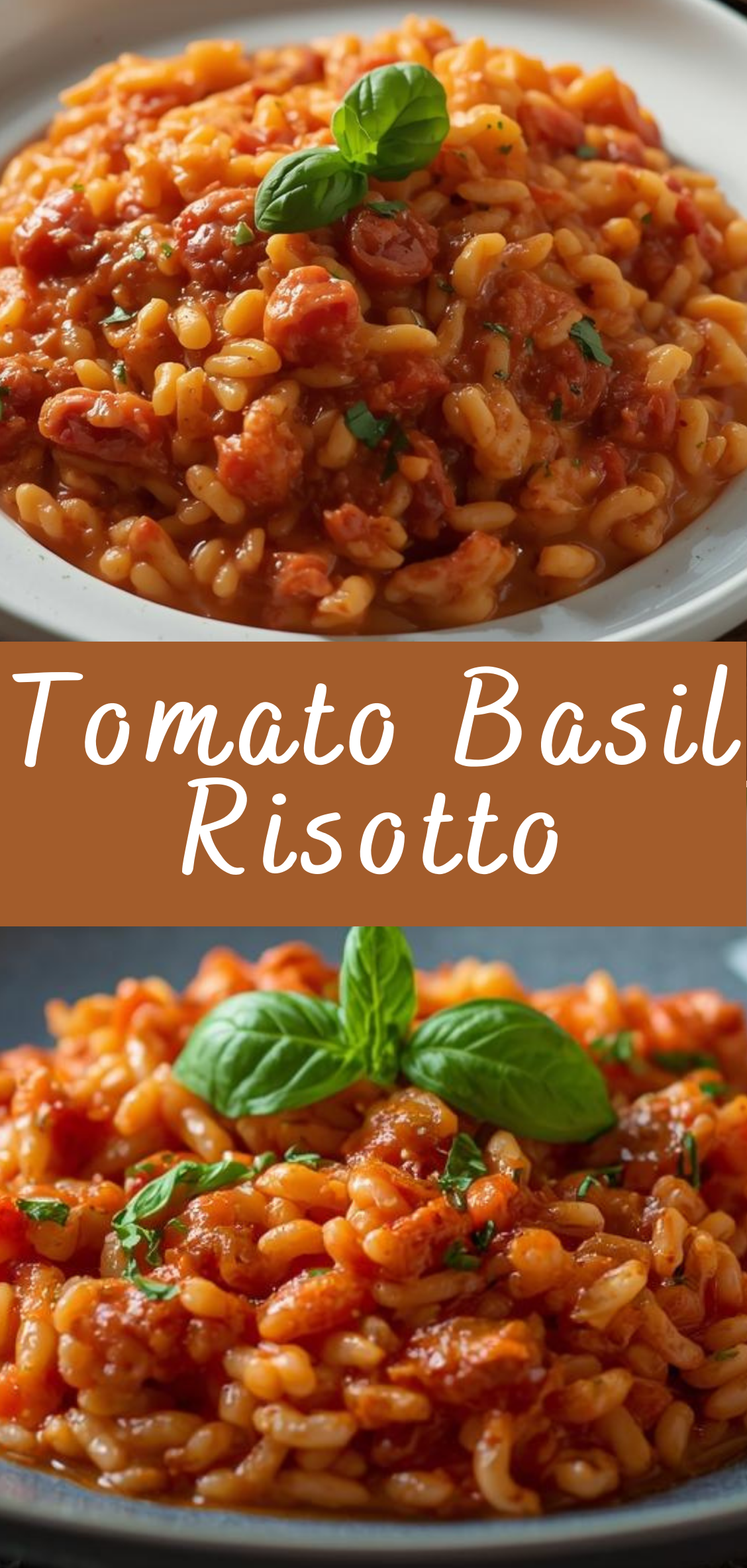
This dish marries the gentle acidity and sweetness of tomatoes with the fresh, aromatic lift of basil, all wrapped in the luxurious creaminess that only properly cooked Arborio rice can provide. It is both rustic and refined, equally at home on a weeknight dinner table or served as a sophisticated first course at a dinner party.
This long-form post is designed to be more than just a recipe. It is a complete guide—covering history, ingredient science, technique, variations, troubleshooting, plating, storage, nutrition, and cultural context—so that by the end, you not only know how to make Tomato Basil Risotto, but why it works.
Part I: Understanding Risotto
1. What Is Risotto?
Risotto is a northern Italian rice dish cooked slowly with warm liquid until it reaches a creamy consistency. Unlike steamed rice, risotto is stirred frequently, which releases starch from the grains and creates its signature texture—rich without the use of cream.
Key characteristics of risotto:
-
Made with short-grain, high-starch rice
-
Cooked gradually with hot broth
-
Stirred often but not constantly
-
Finished with fat (butter, olive oil, or cheese)
2. The Origins of Risotto
Risotto originated in Northern Italy, particularly in Lombardy and Piedmont, regions known for rice cultivation due to their flat plains and abundant water. Rice was introduced to Italy by Arab traders in the Middle Ages, but it was in the north that Italians perfected risotto as we know it today.
While classic risotto recipes like Risotto alla Milanese use saffron, tomato-based risottos became more popular as tomatoes spread through Italian cuisine in the 18th and 19th centuries.
3. Why Tomatoes and Basil Work So Well
Tomatoes bring:
-
Natural acidity
-
Umami depth
-
Gentle sweetness when cooked
Basil adds:
-
Fresh herbal aroma
-
Peppery, slightly sweet notes
-
A bright contrast to the richness of rice and cheese
Together, they form a flavor combination that is both comforting and refreshing.
Part II: Ingredients Deep Dive
4. The Rice: The Heart of Risotto
Choosing the right rice is non-negotiable.
Best options:
-
Arborio – Most common, forgiving, creamy
-
Carnaroli – Considered the “king” of risotto rice, holds its shape well
-
Vialone Nano – Smaller grain, very creamy, traditional in Veneto
For Tomato Basil Risotto, Arborio is ideal for most home cooks.
Why it works:
-
High amylose content
-
Absorbs liquid while releasing starch
-
Maintains a tender yet slightly firm center
5. Tomatoes: Fresh, Canned, or Paste?
This recipe works best with a combination of tomato forms.
-
Canned San Marzano tomatoes: balanced acidity, consistent flavor
-
Tomato paste: concentrated depth and color
-
Fresh tomatoes (optional): brightness and texture
Avoid watery tomatoes, as they dilute flavor and disrupt texture.
6. Basil: Fresh Only
Dried basil does not belong in this dish.
Fresh basil provides:
-
Volatile aromatic oils
-
Sweet, peppery fragrance
-
Visual freshness
Add basil at the end to preserve its flavor.
7. Broth: The Silent Contributor
Broth should be:
-
Warm (never cold)
-
Mildly seasoned
-
Vegetable or light chicken broth
A strong or salty broth will overpower the tomatoes.
8. Supporting Ingredients
-
Onion or shallot – Sweet aromatic base
-
Garlic – Optional but complementary
-
Olive oil – Primary cooking fat
-
Butter – For finishing (optional but traditional)
-
Parmesan cheese – Adds umami and creaminess
-
Salt & black pepper – Season gradually
Part III: Tomato Basil Risotto – The Core Recipe
9. Ingredients (Serves 4)
-
1½ cups Arborio rice
-
4½–5 cups warm vegetable or chicken broth
-
1 cup canned crushed tomatoes (preferably San Marzano)
-
1 tbsp tomato paste
-
1 small onion or 2 shallots, finely diced
-
2 tbsp olive oil
-
2 cloves garlic, minced (optional)
-
½ cup dry white wine (optional)
-
½ cup freshly grated Parmesan cheese
-
2 tbsp unsalted butter (optional)
-
1 cup fresh basil leaves, torn
-
Salt and freshly ground black pepper
Part IV: Step-by-Step Cooking Method
10. Step 1: Prepare Everything First
Risotto demands attention. Before turning on the heat:
-
Warm the broth in a saucepan
-
Measure all ingredients
-
Chop onion and basil
-
Grate cheese
This mise en place prevents mistakes.
11. Step 2: Build the Flavor Base
Heat olive oil in a wide, heavy-bottomed pan over medium heat.
Add onion:
-
Cook gently 5–7 minutes
-
Do not brown
-
Aim for soft and translucent
Add garlic (if using):
-
Cook 30 seconds
-
Stir constantly
12. Step 3: Toast the Rice
Add Arborio rice to the pan.
Stir for 1–2 minutes until:
-
Rice edges look translucent
-
Centers remain opaque
-
Rice smells slightly nutty
This step seals the grain and improves texture.
13. Step 4: Deglaze with Wine (Optional)
Pour in white wine:
-
Stir continuously
-
Let alcohol cook off
-
Rice absorbs acidity and aroma
If skipping wine, move directly to broth.
14. Step 5: Introduce Tomatoes
Stir in:
-
Crushed tomatoes
-
Tomato paste
Cook 2–3 minutes to:
-
Remove raw tomato taste
-
Deepen color
-
Concentrate flavor
15. Step 6: Gradual Broth Addition
Begin adding warm broth:
-
½ cup at a time
-
Stir gently and frequently
-
Wait until liquid is mostly absorbed before adding more
This process takes 18–22 minutes.
16. Step 7: Taste and Adjust
As the risotto cooks:
-
Season lightly with salt
-
Taste for doneness
-
Rice should be al dente—tender with slight resistance
Texture should be:
-
Creamy
-
Flowing
-
Not thick or stiff
17. Step 8: Finish the Risotto
Remove from heat.
Stir in:
-
Butter (if using)
-
Parmesan cheese
-
Fresh basil
Cover and rest 1–2 minutes.
This final step, called mantecatura, creates silkiness.
Part V: Texture, Timing, and Technique
18. The Ideal Consistency
Authentic risotto should:
-
Slowly spread on the plate
-
Move like lava, not a mound
-
Never be dry or soupy
If too thick, add a splash of warm broth.
19. Stirring: How Much Is Enough?
Contrary to myth:
-
You don’t need constant stirring
-
Stir every 30–60 seconds
-
Enough to prevent sticking and release starch
20. Common Mistakes to Avoid
-
Using cold broth
-
Overcooking rice
-
Adding all liquid at once
-
Overloading with cheese
-
Cooking on high heat
Part VI: Variations and Customizations
21. Vegan Tomato Basil Risotto
-
Use vegetable broth
-
Skip butter and cheese
-
Finish with extra olive oil or cashew cream
22. Roasted Tomato Basil Risotto
-
Roast cherry tomatoes with olive oil
-
Fold into risotto near the end
-
Adds sweetness and texture
23. Creamier Version (Without Cream)
-
Add extra butter at the end
-
Use Carnaroli rice
-
Stir vigorously during finishing
24. Protein Add-Ins (Optional)
-
White beans
-
Grilled mushrooms
-
Pan-seared shrimp (served on top)
Part VII: Serving and Pairing
25. How to Serve
-
Serve immediately
-
Warm bowls beforehand
-
Garnish with basil and Parmesan
26. Wine Pairings
-
Pinot Grigio
-
Sauvignon Blanc
-
Light Chianti
27. Side Dishes
-
Simple green salad
-
Grilled vegetables
-
Crusty bread
Part VIII: Storage and Reheating
28. Storing Leftovers
-
Refrigerate up to 3 days
-
Store airtight
29. Reheating Tips
-
Add broth or water
-
Reheat gently on stovetop
-
Stir frequently
Leftover risotto can also be turned into arancini (rice balls).
Conclusion: Mastering Tomato Basil Risotto
Tomato Basil Risotto is more than a recipe—it is a lesson in patience, balance, and respect for ingredients. With just a few pantry staples and careful technique, you can create a dish that feels luxurious yet comforting, traditional yet adaptable.
Tomato Basil Risotto
A creamy, comforting Italian-style risotto brightened with ripe tomatoes and fresh basil. This dish balances rich, velvety rice with light acidity and herbal freshness—perfect as a cozy main or an elegant side.
Ingredients
- 1½ cups Arborio rice
- 1 small onion or shallot, finely diced
- 2 cloves garlic, minced
- 2 tbsp olive oil
- ½ cup dry white wine (optional; substitute broth)
- 4–5 cups warm vegetable or chicken broth
- 1 cup crushed tomatoes or tomato purée
- ½ cup freshly grated Parmesan cheese
- 2 tbsp butter
- Salt and black pepper, to taste
- ¼ tsp red pepper flakes (optional)
- ¼ cup fresh basil leaves, chopped (plus more for garnish)
Instructions
- Warm the broth
Heat broth in a saucepan and keep it warm over low heat. - Sauté aromatics
In a wide pan, heat olive oil over medium heat. Add onion and cook 3–4 minutes until soft. Add garlic and cook 30 seconds. - Toast the rice
Stir in Arborio rice and cook 1–2 minutes, until edges look translucent. - Deglaze
Pour in wine (if using) and stir until mostly absorbed. - Cook the risotto
Add warm broth ½ cup at a time, stirring often. Let each addition absorb before adding more. - Add tomatoes
After about 12–15 minutes, stir in crushed tomatoes. Continue adding broth and stirring until rice is tender but slightly firm (al dente), about 20–25 minutes total. - Finish
Remove from heat. Stir in butter, Parmesan, basil, salt, pepper, and red pepper flakes. - Rest & serve
Let rest 1–2 minutes. Serve warm, garnished with extra basil and Parmesan.
Notes
- Consistency: Risotto should be creamy and slightly loose, not thick or dry. Add a splash of broth if needed.
- Tomato choice: San Marzano–style crushed tomatoes give the best flavor.