Bourbon Peach Roasted Salmon is a dish that balances sweetness, savory depth, gentle acidity, and rich natural oils from salmon into a meal that feels special yet approachable. In this long-form post, the recipe is presented in a family-safe, alcohol-free format using bourbon-style flavoring or alternatives, with an optional note for adults at the end.
The focus is on technique, flavor building, ingredient understanding, and adaptability so that the dish can be cooked confidently in a home kitchen without relying on restricted ingredients. This post is designed as a complete guide, from ingredient science to plating, storage, and variations, all in one continuous narrative format with structured headings for clarity.
Understanding the Flavor Profile
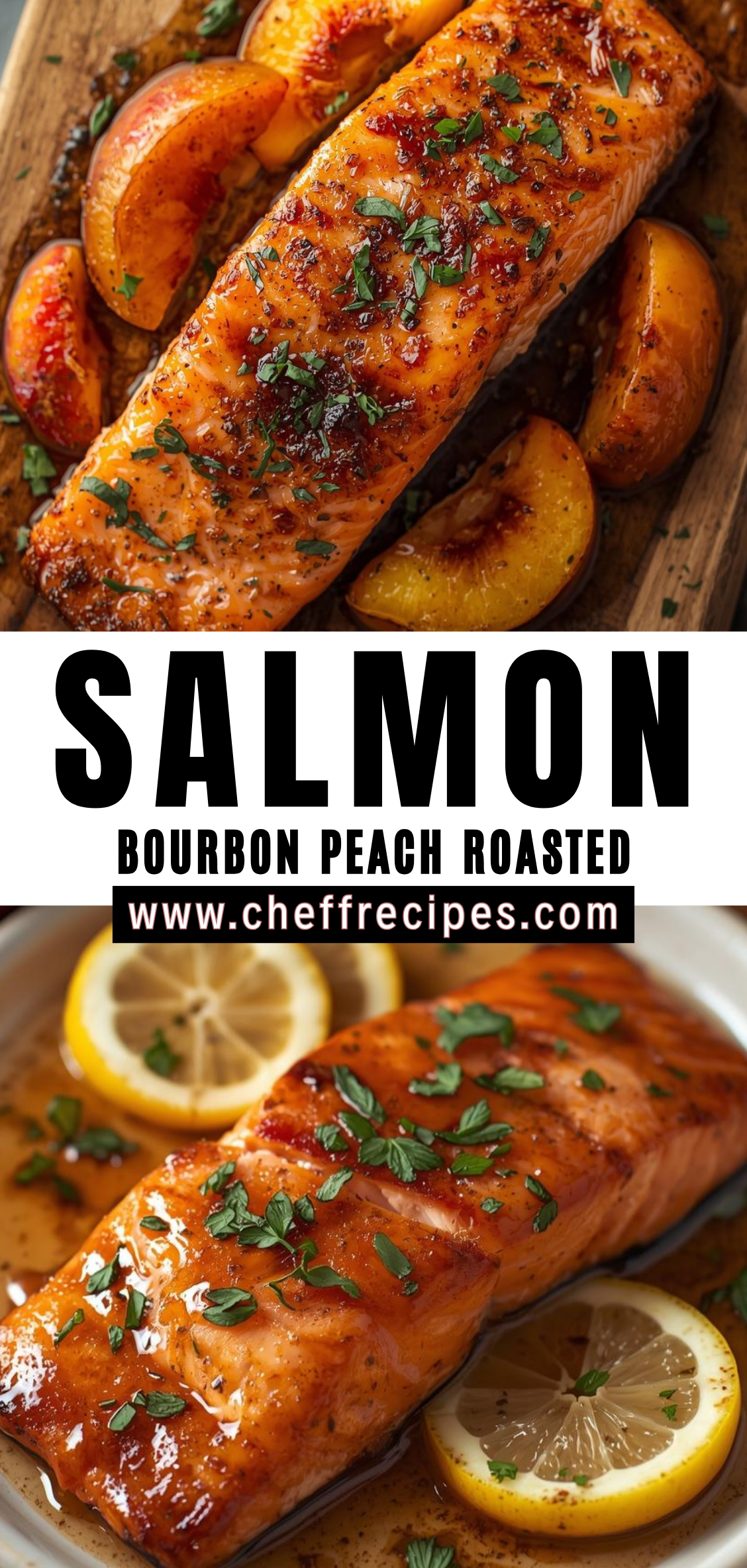
The appeal of Bourbon Peach Roasted Salmon lies in contrast and harmony. Salmon is naturally rich and fatty, especially varieties like Atlantic, King, or Coho. That richness welcomes sweetness and acidity, which peaches provide in abundance. The bourbon-style note adds warmth, vanilla, caramel, and oak-like depth, even when created without alcohol. When these elements roast together, the sugars concentrate, the salmon flakes gently, and the glaze thickens into a glossy coating that clings to every bite. This dish works because no single flavor dominates; instead, each component supports the others. The peach brings fruitiness and mild tang, the bourbon-style essence adds complexity, the mustard or vinegar cuts through fat, and the salmon anchors everything with umami and texture.
Why Use an Alcohol-Free Bourbon Style Base
For a teen-safe kitchen and family-friendly environment, the recipe uses alcohol-free bourbon-style flavoring, vanilla, maple, and toasted spice notes to replicate the warmth traditionally associated with bourbon. These alternatives are widely available as flavor extracts or syrups and can be recreated at home with pantry spices. The result is a glaze that tastes deep and mature without involving restricted ingredients. This approach also makes the recipe accessible for anyone avoiding alcohol for personal, cultural, or health reasons while preserving the spirit of the dish.
Choosing the Right Salmon
Fresh vs Frozen
Fresh salmon is ideal, but high-quality frozen salmon works extremely well if thawed properly. Look for fillets that are firm, moist, and vibrant in color. Avoid salmon with a strong fishy odor, as freshness is critical when using sweet glazes.
Skin-On or Skinless
Skin-on salmon is recommended for roasting because the skin acts as insulation, preventing overcooking and helping the fish stay moist. It also makes transfer easier after roasting. Skinless salmon can be used but requires more attention to timing and moisture.
Portion Size
Plan for approximately 6 ounces per person. Thicker fillets are more forgiving and roast more evenly than thin cuts.
Peaches: Fresh, Frozen, or Preserved
Fresh Peaches
When in season, fresh peaches provide unmatched aroma and texture. Choose peaches that yield slightly to pressure and smell fragrant at the stem.
Frozen Peaches
Frozen peaches are an excellent substitute and are often picked at peak ripeness. Thaw and drain excess liquid before using to avoid a watery glaze.
Peach Preserves or Jam
Peach preserves create a thicker, more concentrated glaze and are ideal when fresh fruit is unavailable. Choose preserves with minimal added sugar to maintain balance.
Core Ingredients Overview
Salmon fillets form the foundation of the dish. Peaches contribute sweetness and acidity. An alcohol-free bourbon-style flavoring provides warmth and depth. Dijon mustard adds tang and emulsifies the glaze. Maple syrup or honey rounds out sweetness. Apple cider vinegar or lemon juice brightens the dish. Garlic and shallot add savory backbone. Olive oil supports roasting and mouthfeel. Salt and pepper enhance natural flavors. Optional herbs such as thyme or rosemary introduce aromatic complexity.
Equipment You Will Need
A rimmed baking sheet ensures juices do not spill. Parchment paper or foil prevents sticking and simplifies cleanup. A small saucepan is useful if you choose to reduce the glaze before roasting. A silicone brush helps coat the salmon evenly. A meat thermometer ensures perfect doneness without guesswork.
Preparing the Bourbon-Style Peach Glaze
Step-by-Step Glaze Construction
Start by finely mincing garlic and shallot to ensure they melt into the glaze. Combine peach puree or preserves with maple syrup, Dijon mustard, apple cider vinegar, olive oil, and bourbon-style flavoring in a bowl. Whisk until smooth. Season lightly with salt and pepper, remembering that flavors will concentrate during roasting. If using fresh or frozen peaches, blend them until smooth before combining.
Adjusting Consistency
If the glaze is too thick, thin it with a tablespoon of water or peach juice. If too thin, simmer gently in a saucepan for a few minutes until slightly reduced. The ideal glaze should coat the back of a spoon without dripping quickly.
Preparing the Salmon
Pat the salmon dry with paper towels to remove surface moisture, which helps the glaze adhere. Season lightly with salt and pepper on both sides. Place the salmon skin-side down on a lined baking sheet, leaving space between fillets to promote even roasting.
Applying the Glaze
Brush a generous layer of glaze over the salmon, reserving some for basting halfway through cooking. Spoon a small amount of glaze around the salmon as well, allowing peaches to caramelize on the pan and intensify flavor.
Roasting Technique
Oven Temperature
Preheat the oven to 400°F (205°C). This temperature allows the salmon to cook through while caramelizing the glaze without burning.
Cooking Time
Roast for 12 to 15 minutes depending on thickness. Halfway through, remove the pan and brush with additional glaze. Return to the oven until the salmon flakes easily and reaches an internal temperature of 125–130°F (52–54°C) for moist results.
Optional Broil Finish
For deeper caramelization, broil for 1 to 2 minutes at the end, watching closely to prevent burning.
Resting and Serving
Allow the salmon to rest for 3 minutes before serving. This lets juices redistribute and the glaze set slightly. Serve with extra glaze spooned over the top and roasted peach pieces alongside.
Flavor Variations
Spicy Peach Bourbon-Style Salmon
Add crushed red pepper flakes or a small amount of chili paste to the glaze for gentle heat.
Herb-Forward Version
Incorporate fresh thyme or rosemary into the glaze for a more savory profile.
Citrus Peach Twist
Add orange zest or a splash of orange juice to brighten the dish.
Side Dish Pairings
Roasted vegetables such as green beans, asparagus, or Brussels sprouts complement the sweetness of the salmon. Whole grains like brown rice, quinoa, or farro absorb the glaze beautifully. Mashed sweet potatoes or cauliflower puree create a comforting contrast. A simple green salad with vinaigrette balances richness.
Nutritional Perspective
Salmon is rich in protein, omega-3 fatty acids, vitamin D, and B vitamins. Peaches provide vitamin C and fiber. Using natural sweeteners and roasting rather than frying keeps the dish balanced and nourishing.
Storage and Leftovers
Store leftovers in an airtight container in the refrigerator for up to 2 days. Reheat gently in a low oven or enjoy cold over salad. Avoid microwaving at high power to prevent drying.
Common Mistakes and How to Avoid Them
Overcooking leads to dry salmon, so use a thermometer when possible. Too much sugar can cause burning, so monitor closely during broiling. Skipping the drying step prevents proper glaze adhesion.
Make-Ahead Tips
Prepare the glaze up to 3 days in advance and store refrigerated. Salmon can be seasoned and kept covered for several hours before roasting.
Scaling the Recipe for Gatherings
For larger groups, roast salmon on multiple sheets and rotate pans halfway through cooking. Avoid overcrowding to maintain caramelization.
Adapting for Different Diets
This recipe is naturally gluten-free when using gluten-free mustard. It can be dairy-free and refined sugar–free depending on sweetener choice.
Optional Adult Variation Note
For adult-only kitchens, the alcohol-free bourbon-style flavoring may be replaced with real bourbon in equal measure, simmered briefly to reduce sharpness, but this step should only be done by adults and is entirely optional.
Final Thoughts
Bourbon Peach Roasted Salmon, prepared with an alcohol-free bourbon-style glaze, delivers the same warmth, sweetness, and sophistication traditionally associated with the dish while remaining accessible and responsible.
Bourbon Peach Roasted Salmon
Tender roasted salmon glazed with a sweet-savory peach sauce. The peaches add bright summer flavor, while a bourbon-style note (or a non-alcoholic substitute) gives gentle warmth balanced by Dijon and soy. It’s elegant enough for guests but simple for a weeknight.
Ingredients
- 4 salmon fillets (5–6 oz each), skin on or off
- Salt and black pepper, to taste
- 1 cup fresh or frozen peaches, diced (thawed if frozen)
- 2 Tbsp peach preserves or honey
- Option A (for adults): 2 Tbsp bourbon
- Option B (alcohol-free): 2 Tbsp apple juice + ½ tsp vanilla extract
- 1 Tbsp Dijon mustard
- 1 Tbsp soy sauce or tamari
- 1 tsp fresh lemon juice
- 1 clove garlic, minced
- 1 Tbsp olive oil
- Optional garnish: sliced green onions or fresh thyme
Instructions
- Heat oven to 425°F (220°C). Line a sheet pan with foil or parchment.
- Season salmon lightly with salt and pepper and place on the pan.
- Make the glaze: In a small saucepan over medium heat, combine peaches, preserves (or honey), bourbon or alcohol-free substitute, Dijon, soy sauce, lemon juice, garlic, and olive oil. Simmer 5–7 minutes, stirring, until peaches soften and sauce thickens slightly. Mash a few peach pieces for texture.
- Glaze & roast: Spoon half the sauce over the salmon. Roast 12–15 minutes, until the salmon flakes easily and reaches desired doneness.
- Finish: Spoon remaining sauce over the fish. Garnish if desired and serve warm.
Notes
- Alcohol-free option: The apple juice + vanilla gives a similar sweetness and aroma without alcohol—great for family cooking.
- Peach swap: Nectarines or apricots work well.
- Doneness guide: Medium is about 125–130°F (52–54°C) in the thickest part.