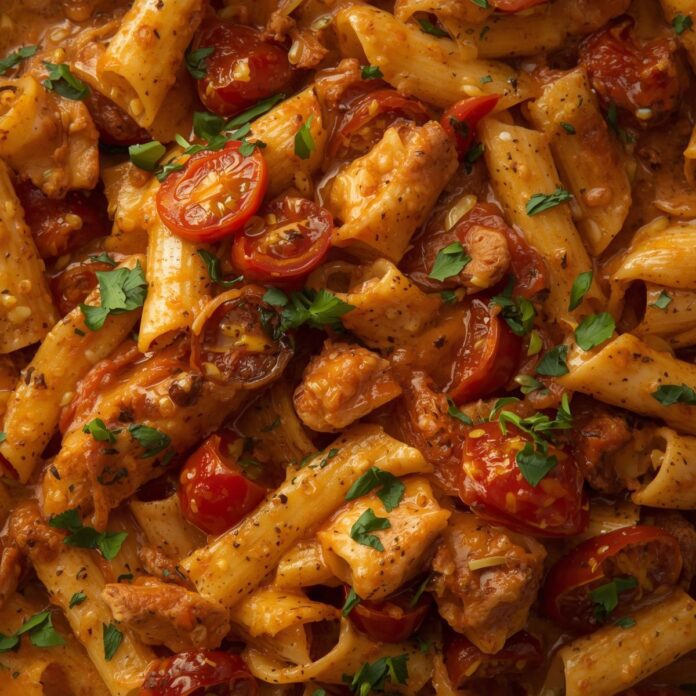
There is something undeniably comforting about the aroma of Italian cooking drifting through a kitchen. It is a scent built on centuries of tradition, patiently simmered sauces, gardens full of fragrant herbs, and the communal warmth of shared meals. Among the iconic dishes of Italy, lasagna stands out as a symbol of indulgence, celebration, and home. Layered with tender pasta, rich tomato sauce, savory meat, melted cheese, and aromatic herbs, lasagna has become a global favorite. Yet, even this classic can be reimagined in new and surprising ways. One of the most satisfying reinterpretations is the transformation of lasagna into a soup—an approach that captures all the beloved flavors of the traditional dish while delivering them in a comforting, spoonable form.
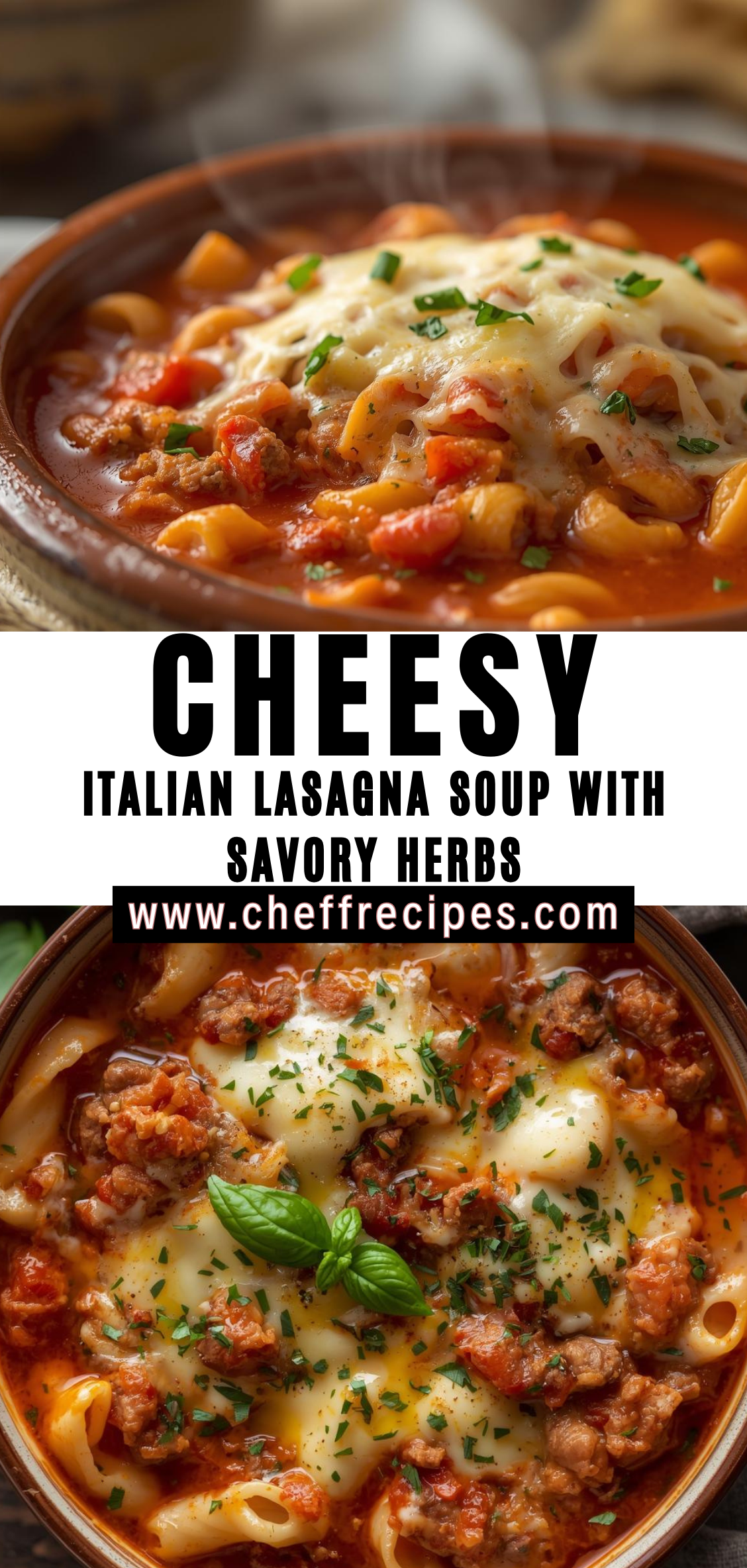
Cheesy Italian Lasagna Soup with Savory Herbs is a modern hybrid recipe born out of a desire to combine the hearty essence of lasagna with the rustic warmth of a simmering pot of soup. This dish retains the essential soul of its inspiration: the familiar tang of tomatoes, the depth of Italian sausage or seasoned ground beef, the velvety richness of melted cheese, and the unmistakable presence of basil, oregano, thyme, and parsley. But rather than assembling layers and baking them for an hour, this soup achieves its complexity on the stovetop, building flavor through a slow melding of ingredients. The result is a dish that is both deeply nostalgic and refreshingly convenient.
What makes this recipe so beloved in modern kitchens is its balance of comfort and practicality. Traditional lasagna, while worth every moment of effort, can be time-consuming to prepare, especially on busy weeknights. Lasagna soup offers a way to deliver the same flavors in a fraction of the time, without sacrificing richness or depth. It is the kind of meal that fills the home with warmth from the moment the onions hit the pan, promises satisfaction with every bubbling moment, and invites everyone to gather around the table.
This recipe also embraces versatility. It allows cooks to tailor it to their preferences—whether that means using a robust meat base, crafting a vegetable-forward version, opting for gluten-free pasta, or adjusting the level of heat and herbs. The soup’s structure welcomes creativity, making it suitable for family dinners, cozy gatherings, meal-prep sessions, or leisurely weekend cooking. And unlike many soups that rely on long cooking times for flavor development, this one rewards even a brief simmer with a savory depth reminiscent of slow-cooked sauces.
Another appealing quality of this lasagna soup is its layered textures. There is the tender bite of pasta, the melt-in-your-mouth richness of cheese stirred into the broth, the bright acidity of tomatoes, and the hearty foundation provided by meat or vegetables. Every spoonful carries these elements together, offering a miniature version of lasagna’s layers in a single bite. Combined with the earthiness of herbs—some simmered gently to infuse the broth and others sprinkled fresh at the end—the result is a bowl that feels both satisfying and vibrant.
The interplay of cheeses provides much of this dish’s character. The classic trio—ricotta for creaminess, mozzarella for stretch and melt, and Parmesan for sharp, salty depth—creates a luxurious experience that mirrors the topping and filling of a traditional lasagna. When gently stirred into the hot soup, these cheeses bring body, richness, and a velvety mouthfeel that makes the dish feel indulgent without being overwhelming. Each element serves a purpose: ricotta softens the acidity of the tomatoes, mozzarella adds familiar comfort, and Parmesan ties the flavors together with its nutty complexity.
Even the herbs in this recipe tell a story. Italian cooking is deeply rooted in the use of fresh and dried herbs to build personality in a dish. Oregano brings a slightly floral sharpness, basil contributes brightness and sweetness, thyme adds earthiness, and parsley lightens the overall profile with fresh green notes. Layering herbs at different stages of cooking—first during the sauté to infuse the aromatics, then toward the end to preserve their freshness—creates a deeply nuanced broth that tastes as though it has been simmering all afternoon.
In many ways, Cheesy Italian Lasagna Soup with Savory Herbs is a celebration of what makes Italian cuisine so enduring. It is humble yet robust, simple yet layered, comforting yet capable of sophistication. It relies on pantry staples and accessible ingredients, yet offers the depth of a dish that feels carefully crafted. It bridges old-world culinary tradition with contemporary convenience, making the pleasures of lasagna available in a more flexible and adaptable format.
Whether you are seeking a meal that warms the soul on a cold evening, a dish that pleases both adults and children, a recipe that can be prepared ahead of time for busy days, or simply a new way to enjoy familiar flavors, this soup stands as a dependable choice. It evokes memories of Italian kitchens, bustling family tables, and simmering pots that promise nourishment and comfort. And above all, it delivers an experience that is both satisfying and memorable.
When you continue to explore the recipe, you will find not only the step-by-step preparation but also the culinary reasoning behind each stage, optional variations for personal customization, and expert tips to ensure the best possible outcome. Whether you are a seasoned home cook or someone exploring soup-making for the first time, this guide will walk you through the process of creating a dish that feels timeless and deeply comforting.
Step-by-Step Instructions
How to Prepare Cheesy Italian Lasagna Soup with Savory Herbs
1. Prepare Your Mise en Place
Before turning on the stove, set yourself up for success by organizing all ingredients. This step may seem optional, but for a soup that builds flavor quickly, having everything prepped ensures nothing is rushed or forgotten.
Chop the aromatics:
Dice one large onion into even, small cubes to allow it to melt seamlessly into the base of the soup. Mince four to five cloves of garlic, taking your time to achieve a fine consistency. Garlic that is too coarsely chopped may not blend smoothly into the broth and could create sharp bites instead of contributing to the background flavor.
Measure the herbs:
Prepare two sets of herbs:
-
Dried herbs that will go into the early stage of cooking—oregano, thyme, and dried basil.
-
Fresh herbs for finishing the soup—chopped parsley and fresh basil.
This division preserves brightness at the end while still allowing depth to develop early on.
Portion out the meats and cheeses:
If using Italian sausage, remove it from the casings so it browns evenly. If using ground beef, break it into large chunks in a bowl to make browning easier. Measure the cheeses—ricotta, shredded mozzarella, and grated Parmesan—into separate bowls so you can quickly add them later without interrupting the cooking process.
Having everything ready sets the tone for a smooth, controlled cooking experience.
2. Sauté the Aromatics
Place a heavy-bottomed pot or Dutch oven over medium heat and add a generous swirl of olive oil. Once shimmering, add the diced onion. Allow the onion to cook slowly, adjusting the heat slightly lower if it begins to brown too quickly. The goal here is gentle softening, which coaxes out sweetness and removes any harshness.
After about five to seven minutes, when the onions have turned translucent, add the minced garlic. Stir the garlic continuously to prevent burning, allowing it to bloom in the hot oil for about 30 seconds to one minute. This short stage is crucial: properly sautéed garlic becomes mellow and fragrant, forming part of the soup’s aromatic foundation.
3. Brown the Meat
Increase the heat to medium-high and add your meat of choice—Italian sausage, ground beef, turkey, or a mix. Break it up with a wooden spoon, spreading it across the bottom of the pot so it browns rather than steams. Proper browning is one of the most important steps in developing a deep, savory base.
Allow the meat to cook for several minutes without stirring too frequently. When it begins to caramelize, scrape up any browned bits from the bottom of the pot. These bits, known as fond, dissolve into the soup later, adding complexity and richness.
Once the meat is fully browned, season lightly with salt and a few grinds of black pepper. You will adjust seasoning later, so keep it modest for now.
4. Add the Tomato Components and Herbs
With the meat browned and aromatic base established, it is time to introduce the tomato elements. Add tomato paste first, stirring it into the meat mixture. Allow the paste to cook for at least two minutes; this step removes raw bitterness and deepens the overall flavor, giving the soup a slow-cooked character even though the total cooking time is relatively short.
Next, add crushed tomatoes or canned diced tomatoes. Pour in a portion of broth—usually chicken or beef stock works beautifully, but vegetable broth is suitable for a lighter profile. Stir well, scraping the bottom of the pot to release any remaining fond.
Now add dried herbs: oregano, thyme, and dried basil. Incorporate them early so they have time to rehydrate and infuse the broth with their complex notes. Each herb contributes something distinct: oregano’s floral sharpness, thyme’s earthy structure, and basil’s gentle sweetness.
Bring the liquid to a steady simmer.
5. Simmer the Soup to Build Flavor
Reduce the heat to medium-low and allow the soup to simmer for at least 20 to 30 minutes. While it is possible to move on more quickly, giving the soup this rest allows the tomatoes to mellow, the broth to thicken slightly, and the herbs to distribute their flavors fully.
During this time, skim off any excess fat that rises to the top if you prefer a cleaner broth. Taste the soup occasionally, adjusting salt and pepper as needed. Remember that cheese will add saltiness later, so avoid overseasoning at this stage.
This simmering period is when everything begins to taste unified rather than like separate components thrown together.
6. Cook the Pasta Separately or in the Soup
You have two options for the pasta:
Option A: Cook it in the soup
Break lasagna noodles into bite-sized pieces and stir them directly into the simmering broth. This method infuses the pasta with rich tomato flavor but also thickens the soup as starches release. It is the most traditional way to make lasagna soup, though you must monitor closely to prevent overcooking.
Option B: Cook it separately
Boil the pasta in salted water until al dente, then drain and add to the soup just before serving. This gives you more control over texture and keeps leftovers from becoming mushy.
Both methods yield excellent results; choose based on your preference for convenience or precision. If cooking directly in the soup, stir often to prevent sticking.
7. Prepare the Cheese Mixture
While the pasta cooks, prepare the signature cheese topping that transforms this dish from a simple soup into a lasagna-inspired experience.
In a small bowl, combine ricotta cheese with a pinch of salt, a small handful of grated Parmesan, and a spoonful of fresh parsley. Mix until creamy and smooth. This mixture will be added to each bowl individually, allowing it to soften and melt gently into the hot soup without losing its delicate texture.
Keep the mozzarella and additional Parmesan nearby for layering into the soup or sprinkling on top.
8. Fold in Fresh Herbs and Adjust the Seasoning
Once the pasta is cooked and the soup has thickened to your liking, reduce the heat to low. Add freshly chopped basil and parsley, stirring them in gently. Their aroma will immediately brighten the soup, signaling the final stage of cooking.
Taste again and make any final seasoning adjustments. A splash of broth can loosen the consistency if it has thickened too much, while a spoonful of tomato paste can deepen color and flavor.
9. Assemble the Soup for Serving
Ladle the hot soup into bowls while steam curls upward, carrying the scent of herbs and tomatoes. Add a generous dollop of the ricotta mixture to the center of each bowl. Sprinkle shredded mozzarella over the top, allowing the heat of the soup to soften it into creamy strands. Finish with a dusting of Parmesan for sharpness.
Some cooks like to place the bowls under a broiler for one to two minutes to melt and lightly brown the cheese topping. This step is optional but creates a restaurant-worthy presentation and adds a faintly toasted depth reminiscent of baked lasagna.
10. Resting, Serving, and Enjoying
Allow each bowl to rest for a minute before serving. This resting period lets the cheese melt slowly and integrate with the tomato broth, creating a luxuriously creamy bite that mirrors the layered nature of classic lasagna.
Serve with crusty bread, fresh salad, or on its own as a rich, standalone meal.
Cheesy Italian Lasagna Soup with Savory Herbs
There is something undeniably comforting about the aroma of Italian cooking drifting through a kitchen. It is a scent built on centuries of tradition, patiently simmered sauces, gardens full of fragrant herbs, and the communal warmth of shared meals. Among the iconic dishes of Italy, lasagna stands out as a symbol of indulgence, celebration, and home. Layered with tender pasta, rich tomato sauce, savory meat, melted cheese, and aromatic herbs, lasagna has become a global favorite. Yet, even this classic can be reimagined in new and surprising ways. One of the most satisfying reinterpretations is the transformation of lasagna into a soup—an approach that captures all the beloved flavors of the traditional dish while delivering them in a comforting, spoonable form.
Ingredients
- For the Soup:
- 1 tbsp olive oil
- 1 lb (450 g) ground Italian sausage or ground beef
- 1 small onion, diced
- 3 cloves garlic, minced
- 1 tbsp tomato paste
- 5 cups chicken or vegetable broth
- 1 (15-oz) can crushed tomatoes
- 1 tsp dried basil
- 1 tsp dried oregano
- 1 tsp dried thyme
- ½ tsp dried rosemary (optional)
- ½ tsp crushed red pepper flakes (optional, for heat)
- 8 broken lasagna noodles (about 6–8 oz)
- Salt and pepper to taste
- Cheesy Topping (the “Lasagna” Effect):
- 1 cup ricotta cheese
- ½ cup shredded mozzarella
- ¼ cup grated Parmesan
- 1 tbsp fresh parsley or basil, chopped
- Pinch of salt and pepper
- Optional Garnish:
- Extra mozzarella or Parmesan
- Fresh basil
- Garlic bread on the side
Instructions
1. Brown the Meat
- Heat olive oil in a large pot over medium heat.
- Add the ground Italian sausage or beef and cook until browned, breaking it up as it cooks.
- Drain excess fat if needed.
2. Sauté the Aromatics
- Add diced onion to the pot and cook for 3–4 minutes until softened.
- Stir in minced garlic and cook 30 seconds until fragrant.
- Mix in the tomato paste and cook for 1 minute to deepen the flavor.
3. Build the Broth
- Pour in the broth and crushed tomatoes.
- Add basil, oregano, thyme, rosemary (optional), and crushed red pepper.
- Stir well and bring the mixture to a simmer.
4. Cook the Noodles
- Add the broken lasagna noodles directly to the pot.
- Simmer for 10–12 minutes, stirring occasionally, until the noodles are tender.
- Season with salt and pepper to taste.
5. Prepare the Cheese Mixture
- In a small bowl, combine ricotta, mozzarella, Parmesan, chopped herbs, and a pinch of salt and pepper.
- Stir until well blended.
6. Serve
- Ladle the hot lasagna soup into bowls.
- Add a generous scoop of the cheese mixture on top so it melts into the soup.
- Garnish with fresh basil or extra Parmesan if desired.
Notes
- For a creamier soup, stir ¼ cup heavy cream or half-and-half into the pot at the end.
- Swap lasagna noodles with any pasta you prefer (rotini, mafaldine, or bowties work well).
- To make it vegetarian, use vegetable broth and substitute the meat with chopped mushrooms or plant-based sausage.
- The soup thickens as it sits; add extra broth when reheating.
- Make the cheese mixture ahead of time to save prep time on busy nights.