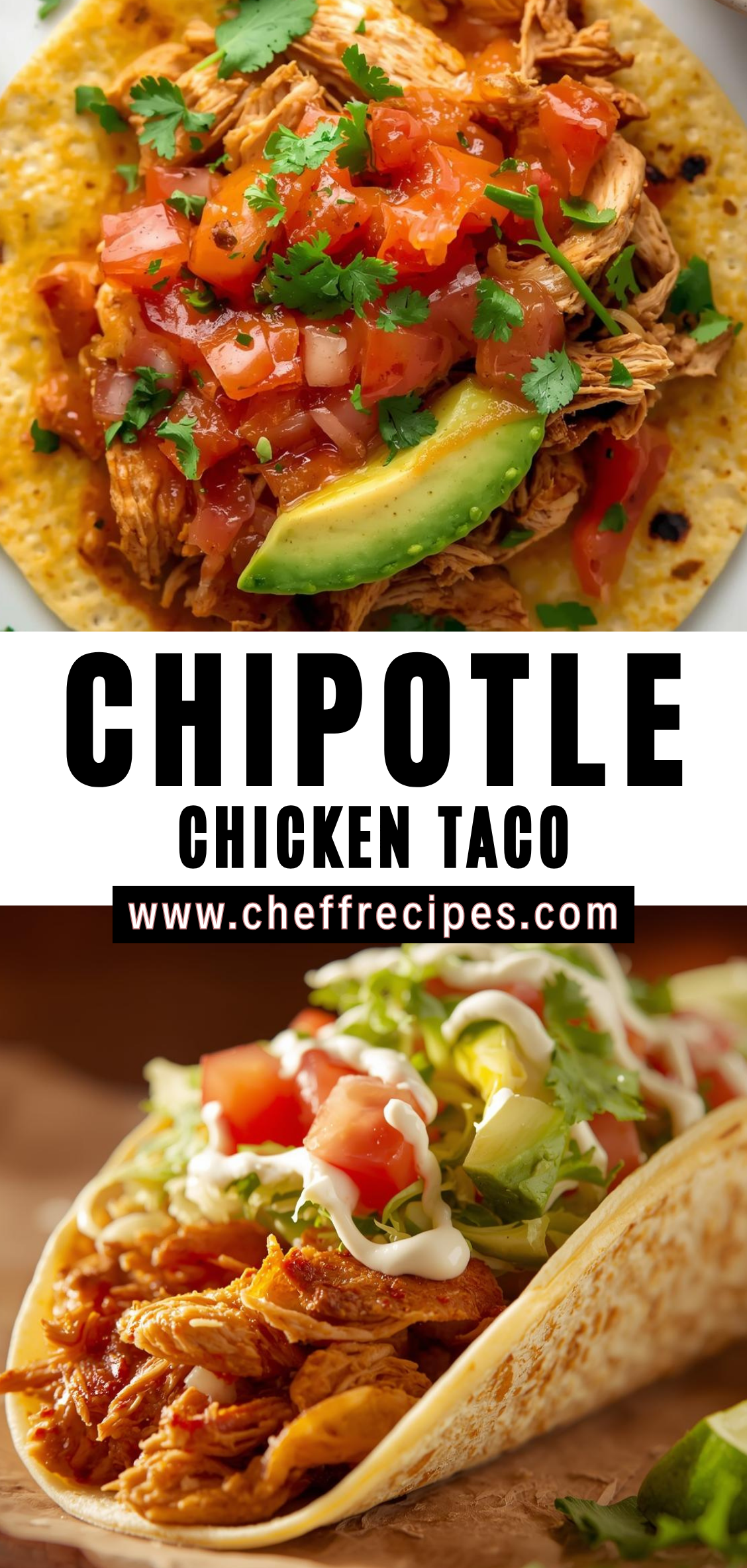
Few dishes capture the vibrancy, depth, and comforting satisfaction of Mexican-inspired cooking as elegantly as the Chipotle Chicken Taco. It represents both tradition and innovation, merging the familiar structure of a taco with the smoky, earthy, gently spicy heat of chipotle peppers. These tacos speak to a kind of culinary balance that is deceptively simple yet deeply layered. They are approachable enough to enjoy on an ordinary weeknight, yet bold enough to feel celebratory. Understanding the essence of Chipotle Chicken Tacos requires exploring not only the ingredients themselves but the cultural, historical, and sensory elements that give this dish its identity.
At the heart of the recipe lies the chipotle pepper, a jalapeño that has been ripened to a deep red hue, then smoke-dried to concentrate its flavor. Chipotle peppers are more than just a source of heat. They bring smokiness, sweetness, and complexity—an aromatic depth that transforms even the simplest preparation of chicken. When blended into a marinade or sauce, chipotles lend an unmistakable flavor that feels both rustic and refined. They carry the warmth of traditional Mexican cooking techniques, where smoking and drying have long been essential methods for preserving and enhancing ingredients.
The chicken itself, often marinated or slowly simmered, acts as a canvas for these flavors. Lean enough to absorb seasoning without becoming heavy, yet hearty enough to carry bold spices, chicken offers a versatile foundation. The combination of tender chicken with a chipotle-forward sauce produces a filling that is rich but not overwhelming, smoky without being overly intense, and flavorful in a way that lingers long after the meal is done. This synergy between protein and seasoning forms the backbone of the taco, setting the stage for the array of textures and garnishes that will complete it.
Tacos are fundamentally about contrast: soft and crisp, warm and cool, spicy and refreshing. They are a food of assembly and choice, a kind of edible conversation between ingredients. Chipotle Chicken Tacos embody this interplay beautifully. The warmth of the tortillas contrasts with the freshness of toppings like cilantro, lime, onion, or cabbage. Creamy elements—such as a chipotle crema, avocado slices, or cotija cheese—temper the heat of the peppers while adding richness. Crisp garnishes introduce texture that keeps each bite dynamic. Every component matters, but none overshadow the central flavor of chipotle chicken.
Before approaching the detailed instructions, it is important to understand that Chipotle Chicken Tacos thrive on balance rather than sheer heat. While chipotle peppers in adobo sauce are undeniably potent, they contain layers of sweetness, acidity, and smokiness that must be coaxed out thoughtfully. The introduction to this recipe emphasizes the importance of understanding that balance. Too much chipotle and the dish becomes harsh or one-note; too little, and the flavor feels timid. Achieving harmony among the marinade ingredients—acidity from lime or vinegar, aromatics like garlic or onion, spices that deepen the profile—ensures that the heat is present but never dominating.
Even the choice of cooking method introduces its own nuances. Grilling imparts char and a deeper smokiness, enhancing the natural flavors of chipotle. Sautéing creates a different kind of caramelization, with the chicken becoming tender and glazed with sauce. Slow-cooking or braising results in fall-apart softness and an intensified flavor profile as the chipotle permeates every strand of meat. Each method produces a slightly different taco experience, which is why understanding these variations enhances the recipe and expands the cook’s sense of possibility.
Tortilla selection further influences the final dish. Corn tortillas offer authenticity, earthiness, and a delicate structure that pairs beautifully with smoky flavors. Flour tortillas provide pliability and a soft, comforting texture that rounds out the spice. Each option creates a different foundation for the taco, and the introduction will explore how to choose based on personal preference or desired personality of the dish. The preparation of tortillas—warming, charring, steaming—also affects both texture and flavor, and appreciating these subtleties enriches the experience long before the first bite.
Chipotle Chicken Tacos also exemplify the importance of layering flavors. While the chicken provides the central note, toppings act as counterpoints that bring brightness, coolness, or crunch. A squeeze of lime cuts through the smoke and adds acidity. Fresh cilantro contributes herbal lift. Sliced onions or pickled vegetables introduce sharpness that refreshes the palate. Creamy toppings bridge the heat with mellowness. Understanding these functions helps cooks craft tacos that feel complete rather than flat.
Introduction
Before entering the specific steps required to prepare Chipotle Chicken Tacos, it is important to understand the technical and sensory principles behind each part of the process. The instructions you will follow later rely on a sequence of culinary decisions—some delicate, some bold—that all contribute to the final flavor, texture, and balance of the dish. By understanding why each step is necessary, you’ll be able to execute the recipe with confidence, adapt it to personal tastes, and troubleshoot inevitable variations that arise in any kitchen.
1. Understanding the Chipotle Base
The heart of this recipe is the chipotle flavoring, which typically comes from chipotle peppers in adobo sauce. These peppers provide heat, smoke, sweetness, and acidity simultaneously.
Before working with them, one must appreciate the following:
-
Adobo sauce contains natural sugars that help the chicken caramelize when cooked.
-
The peppers themselves are potent, so a small amount can influence the entire flavor profile.
-
Blending or mincing affects distribution: a puree yields uniform heat, while chopped pieces create occasional bursts.
-
Oil and acid balance chipotle heat, which is why marinades often include lime juice, vinegar, or even yogurt.
The later instructions will guide you in choosing how to prepare the chipotle—pureed for consistent flavor, chopped for texture, or combined with other ingredients for a more multidimensional sauce. Understanding these decisions beforehand allows the cook to personalize intensity based on preference.
2. The Role of Acidity and Marinade Composition
Acidity plays a central role in the marinade used for Chipotle Chicken Tacos. Lime juice, vinegar, and sometimes tomato contribute brightness that counters the smokiness of chipotle. But these acids also serve practical functions:
-
They tenderize the chicken, especially if using cuts like thighs or breast.
-
They help herbs and spices release aroma, intensifying the final flavor.
-
They control the balance of heat, making the chipotle’s smokiness smoother and more complex.
The introduction must emphasize that too much acidity can change the texture of the chicken, especially if marinated too long. Conversely, too little acidity results in a marinade that lacks cohesion.
The detailed instructions later will explain how long to marinate depending on cut, thickness, and cooking method. This foundational understanding prepares you to make informed decisions if ingredient substitutions are required.
3. Spices and Aromatics: Building Complexity
While chipotle is the star, spices and aromatics shape the supporting cast. Common components include garlic, cumin, oregano, chili powder, coriander, black pepper, and onion.
Each contributes something distinct:
-
Garlic introduces pungency and warmth.
-
Cumin provides earthiness.
-
Oregano adds herbal sharpness.
-
Coriander contributes citrus-like complexity.
-
Chili powder deepens the smoky profile.
-
Onions or shallots provide sweetness as they cook.
-
Salt enhances everything and helps proteins retain moisture.
Understanding these roles helps make sense of the later instructions, which detail exact amounts, timing, and methods of incorporation.
4. Chicken Preparation: Texture and Cooking Method
The chicken used in Chipotle Chicken Tacos can be grilled, pan-seared, roasted, or braised. Each technique offers different textures and flavors, and the introduction should contextualize these before any steps are given.
Grilling
-
Produces char, enhancing the chipotle’s smokiness.
-
Maintains moisture if marinated well.
-
Ideal for sliced or chopped taco fillings.
Pan-Searing
-
Creates caramelized edges as sugars in the marinade cook.
-
Allows better control over browning.
-
Works well for diced or shredded chicken.
Roasting
-
Yields even cooking and deep flavor.
-
Useful for large batches.
-
Produces a clean, concentrated chipotle profile.
Braising
-
Results in ultra-tender, shreddable chicken.
-
Intensifies chipotle flavor through prolonged exposure.
-
Ideal for saucy tacos.
The detailed instructions will choose one primary method while offering variations. This introduction ensures the cook understands how cooking method affects the final taco experience.
5. Knife Work and Chicken Size
The size and shape of the chicken pieces affect:
-
Marinade absorption
-
Cooking speed
-
Moisture retention
-
Texture once inside the taco
Larger cuts retain more moisture but absorb less marinade. Smaller pieces absorb flavor quickly but can overcook more easily.
The later step-by-step instructions will specify recommended sizes depending on whether the chicken is served sliced, diced, or shredded. This foundational awareness helps cooks make adjustments confidently.
6. Tortilla Preparation: Essential but Often Overlooked
Tortillas may seem secondary, but they shape the entire taco experience. Even perfectly cooked chicken can feel dull if served on a poorly prepared tortilla.
Understanding tortilla behavior is crucial:
Corn tortillas
-
Need gentle heating or steaming to prevent cracking.
-
Slight charring adds flavor.
-
Offer earthy authenticity that pairs particularly well with chipotle’s smoke.
Flour tortillas
-
Benefit from light toasting.
-
Become pliable and aromatic when warmed.
-
Provide a softer, more neutral base that emphasizes the chicken’s flavor.
The detailed instructions will outline how to heat tortillas properly depending on equipment: gas flame, skillet, comal, oven, or microwave. This introduction clarifies why these steps matter.
7. Garnishes: Temperature, Texture, and Contrast
Toppings and garnishes do more than decorate the taco—they bring balance.
Understanding the purpose of each helps contextualize later instructions:
-
Lime sharpens and brightens smoky flavors.
-
Cilantro provides herbal freshness.
-
Onion adds bite or sweetness depending on preparation.
-
Cabbage or lettuce adds crunch that contrasts with tender chicken.
-
Avocado or crema softens heat and adds creaminess.
-
Cotija cheese introduces saltiness and texture.
-
Pickled vegetables add acidity that cuts through richness.
Later steps will instruct how to prepare, proportion, and store these garnishes.
8. Heat Control: Finding the Right Level of Spice
Chipotle heat is not just spiciness—it is warmth layered with smokiness. However, controlling its intensity is critical.
Factors influencing heat:
-
Amount of chipotle used
-
Whether seeds are included
-
Ratio of adobo sauce to marinade
-
Cooking method (grilling intensifies heat)
-
Choice of creamy toppings (which reduce heat)
By understanding heat control before reading the instructions, cooks can tailor the recipe from the outset.
9. Assembly Technique: Structure Matters
A well-built taco holds together while delivering balanced flavor in every bite.
Assembly principles include:
-
Layering chicken first for structural support.
-
Adding garnishes that won’t slip or wilt prematurely.
-
Timing the addition of sauces to prevent sogginess.
-
Distributing toppings to avoid heavy, uneven bites.
Detailed instructions will provide a recommended assembly sequence. This explanation prepares the reader to understand why order matters.
10. Timing and Meal Flow
Chipotle Chicken Tacos are best when all components are ready at the right moment. Tortillas should be warm, chicken freshly cooked or reheated, garnishes crisp and cold, and sauce prepared. Understanding these timing relationships ahead of time ensures smooth execution.
The instructions will break down:
-
What to prepare first
-
What can be made ahead
-
What must be fresh
-
How to coordinate stovetop, oven, and prep work
This introduction establishes the importance of pace and organization.
Chipotle Chicken Taco
Few dishes capture the vibrancy, depth, and comforting satisfaction of Mexican-inspired cooking as elegantly as the Chipotle Chicken Taco. It represents both tradition and innovation, merging the familiar structure of a taco with the smoky, earthy, gently spicy heat of chipotle peppers. These tacos speak to a kind of culinary balance that is deceptively simple yet deeply layered. They are approachable enough to enjoy on an ordinary weeknight, yet bold enough to feel celebratory. Understanding the essence of Chipotle Chicken Tacos requires exploring not only the ingredients themselves but the cultural, historical, and sensory elements that give this dish its identity.
Ingredients
- For the Chipotle Chicken:
- 1 ½ lbs boneless skinless chicken thighs (or breasts)
- 2 tablespoons olive oil
- 2 chipotle peppers in adobo, minced
- 1–2 tablespoons adobo sauce (from the can)
- 3 cloves garlic, minced
- 1 teaspoon chili powder
- 1 teaspoon smoked paprika
- 1 teaspoon cumin
- ½ teaspoon oregano
- ½ teaspoon salt
- ½ teaspoon black pepper
- Juice of 1 lime
- Optional: 1 tablespoon honey for a sweet-spicy balance
- For Serving:
- 8–10 small corn or flour tortillas
- 1 cup shredded lettuce or cabbage
- ½ cup diced onion
- ½ cup chopped cilantro
- 1 avocado, sliced (or guacamole)
- Salsa, pico de gallo, or chipotle crema
- Lime wedges
Instructions
1. Marinate the Chicken
- In a bowl, whisk together the olive oil, minced chipotle peppers, adobo sauce, garlic, chili powder, smoked paprika, cumin, oregano, salt, pepper, lime juice, and optional honey.
- Add the chicken and coat well.
- Marinate 30 minutes to 2 hours (or cook immediately if you’re in a rush).
2. Cook the Chicken
Skillet method:
- Heat a large skillet over medium-high heat.
- Add the chicken and cook 5–6 minutes per side, until fully cooked and slightly charred.
Grill method (extra smoky):
- Preheat grill to medium-high.
- Grill chicken 5–6 minutes per side, brushing with leftover marinade.
Internal temperature: 165°F (74°C).
3. Chop the Chicken
Remove from heat and let rest 5 minutes, then chop into bite-size pieces.
4. Warm the Tortillas
Heat tortillas in a dry skillet, or wrap in foil and warm in a 300°F oven for 5 minutes.
5. Assemble the Tacos
Fill tortillas with chipotle chicken, then top with:
- Lettuce or cabbage
- Onion
- Cilantro
- Avocado
- Your favorite salsa or crema
- A squeeze of lime
Notes
- Adjust the spice: Use 1 chipotle pepper for mild, 2–3 for medium, 4+ for spicy.
- Chipotle crema idea: Mix ½ cup sour cream + 1 tablespoon adobo sauce + pinch of salt + lime juice.
- Healthier option: Substitute chicken with turkey cutlets or grilled shrimp.
- Serving sides: Great with Mexican rice, street corn, black beans, or grilled vegetables.