Crispy baked chicken wings have become one of the most beloved comfort foods worldwide, and for good reason. These small, flavorful cuts of chicken are celebrated for their combination of crunchy exterior, juicy interior, and versatile flavor potential. Whether served as a game-day snack, a party appetizer, or a weeknight dinner, perfectly cooked chicken wings satisfy cravings for both texture and taste.
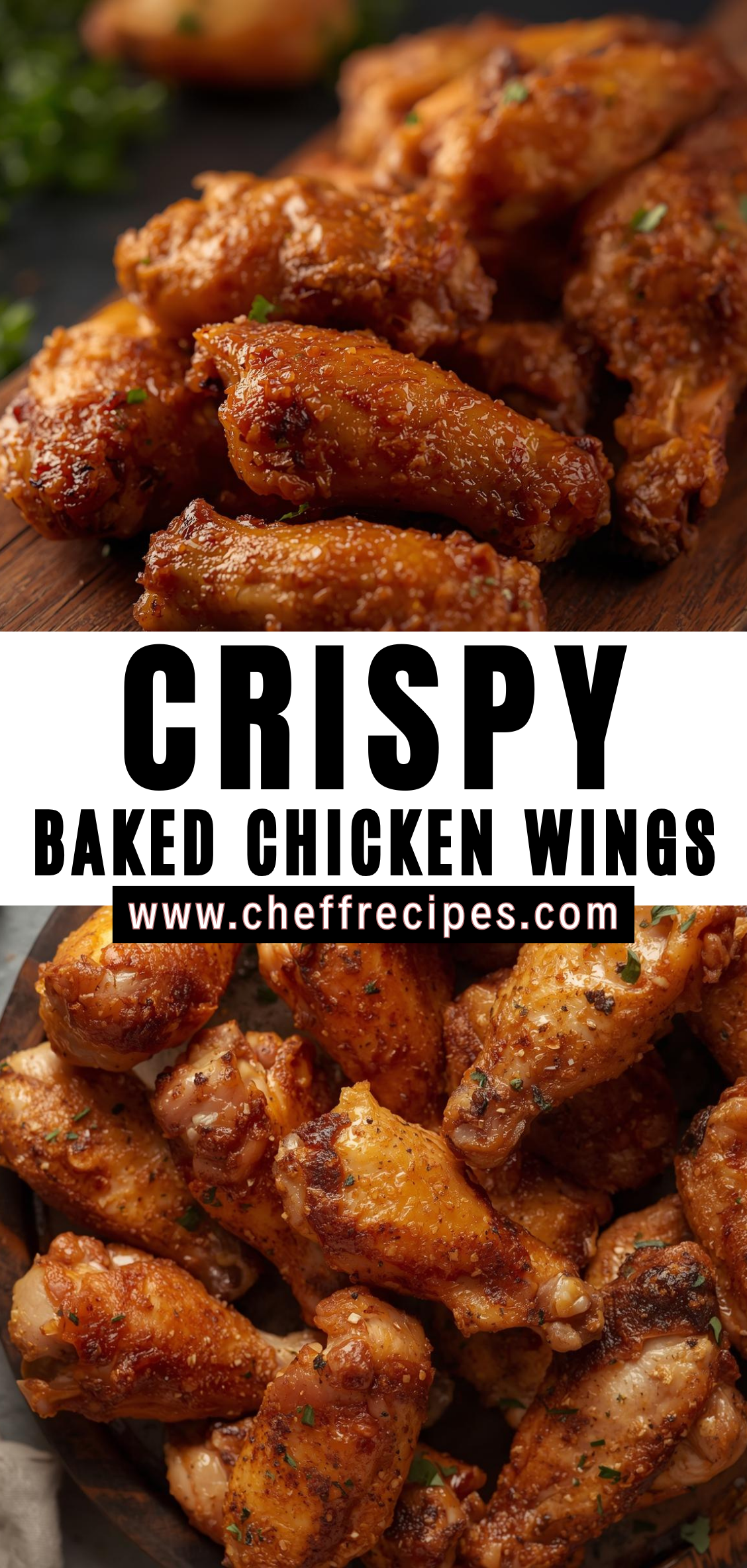
The beauty of baked chicken wings lies in their accessibility and adaptability. Unlike deep-fried wings, which require large amounts of oil and constant monitoring of temperature, baked wings allow home cooks to achieve a similarly crispy texture with minimal fuss. By carefully controlling oven temperature, applying a light coating or seasoning, and using precise cooking techniques, baked wings can rival their fried counterparts while being healthier and less messy.
Chicken wings themselves have a rich culinary history. Originally considered a less desirable part of the chicken due to their small size and limited meat, wings rose to prominence in the mid-20th century, particularly in Buffalo, New York. The invention of Buffalo wings—deep-fried and coated in a tangy, spicy sauce—transformed the humble chicken wing into a culinary phenomenon. Today, wings are enjoyed globally, with countless variations in sauces, marinades, and cooking methods, ranging from sweet and sticky Asian-inspired glazes to smoky barbecue flavors and classic spicy coatings.
The secret to great baked wings is balancing crispiness and juiciness. Wings naturally contain a higher fat content compared to other chicken cuts, which helps maintain moisture during cooking. However, without proper preparation, baked wings can emerge soggy or unevenly cooked. Techniques such as patting the wings dry, tossing them with a light coating of oil or cornstarch, and using high heat in the oven all contribute to achieving the coveted crispy exterior. Additionally, allowing the wings to rest on a wire rack during baking ensures that hot air circulates evenly, preventing sogginess and promoting golden-brown perfection.
Beyond texture, seasoning is another critical element. Wings are like a blank canvas, ready to absorb flavors that range from subtle herbaceous notes to bold, fiery heat. Simple combinations of salt, pepper, garlic powder, and paprika can produce an effortlessly savory wing, while marinades and spice rubs allow for more complex profiles. Sweet, sour, spicy, or smoky—each flavor transformation highlights the versatility of this humble poultry cut.
Crispy baked chicken wings also embody social and communal dining. They are often served in large quantities, perfect for sharing among friends and family. Their finger-food nature encourages informal, relaxed eating, making them a staple at gatherings, tailgate parties, and casual dining establishments. Pairing wings with dipping sauces, such as creamy ranch, blue cheese, honey mustard, or a tangy hot sauce, elevates the experience and allows each eater to personalize their bite.
Health-conscious eaters will also appreciate baked wings. By eliminating deep-frying, you reduce the overall oil content and calorie count while still retaining flavor and texture. Choosing skin-on wings maximizes crispiness and flavor, while trimming excess fat and selecting leaner preparation methods ensures a balanced dish. Additionally, baked wings are highly customizable, allowing cooks to experiment with oven temperatures, spice blends, and even coating techniques to match personal dietary preferences and flavor profiles.
The preparation process itself is approachable yet rewarding. Unlike some complex dishes that require elaborate techniques or specialized tools, crispy baked chicken wings require only a few basic kitchen tools: a baking sheet, a wire rack, and an oven. This simplicity allows both novice and experienced cooks to achieve excellent results, building confidence and encouraging culinary creativity. Moreover, the process can be scaled easily, whether making a small batch for a family meal or dozens for a party spread.
In this recipe, we will explore every aspect of making the perfect crispy baked chicken wings. From selecting the best wings and understanding the science of crispiness to preparing flavorful seasonings and achieving even baking, this guide is designed to provide clear, step-by-step instructions. Additionally, we will discuss optional flavor variations, sauces, and serving suggestions, ensuring your wings are not only delicious but also visually appealing and crowd-pleasing.
By the end of this guide, you will have mastered the art of baking wings that are crispy, juicy, and full of flavor—wings that rival any restaurant or bar specialty. This introduction sets the stage for a detailed, comprehensive recipe that emphasizes technique, creativity, and enjoyment, making your crispy baked chicken wings both a culinary triumph and a shared experience.
Detailed Instructions for Crispy Baked Chicken Wings
Step 1: Selecting and Preparing the Chicken Wings
The foundation of any great wing starts with selecting the right cut and preparing it properly.
Instructions:
-
Choose fresh wings: Look for chicken wings that are plump, with pinkish skin and no unpleasant odor. Opt for wings with the skin on; it helps achieve crispiness during baking. You can choose whole wings and separate them into drumettes and wingettes or purchase pre-cut wings.
-
Trim excess skin and fat: Use kitchen shears or a sharp knife to trim any loose skin or excess fat at the tips. Removing tips is optional, but it helps the wings cook evenly and reduces the risk of burning during high-heat baking.
-
Pat wings dry: Moisture is the enemy of crispiness. Use paper towels to pat wings completely dry. This step is critical—wings that are damp will steam instead of crisp in the oven.
Step 2: Applying a Light Coating for Crispiness
Creating a crispy exterior requires more than just high heat; a light coating of oil or cornstarch can dramatically improve the crunch.
Instructions:
-
Toss with oil: Place wings in a large mixing bowl. Add 1–2 tablespoons of vegetable oil, canola oil, or olive oil. Toss wings until lightly coated. Oil helps transfer heat evenly to the skin and promotes browning.
-
Optional: Dust with cornstarch: For an extra-crispy finish, sprinkle 1–2 tablespoons of cornstarch over the wings and toss to coat evenly. Cornstarch absorbs moisture and creates a light, crunchy crust.
-
Season generously: Add salt, pepper, garlic powder, paprika, onion powder, or any preferred spice blend. Ensure each wing is evenly coated. Seasoning not only enhances flavor but also helps the crust crisp.
Step 3: Preparing the Baking Sheet
Proper placement and airflow are key to evenly baked, crispy wings.
Instructions:
-
Line a baking sheet: Use parchment paper or aluminum foil for easy cleanup.
-
Use a wire rack: Place a wire rack on top of the baking sheet. Arrange wings in a single layer on the rack with a little space between each wing. Elevating the wings allows hot air to circulate underneath, ensuring the skin crisps on all sides rather than steaming on the bottom.
Step 4: Baking the Wings
High heat and careful timing are critical to achieving crispy, golden wings without drying them out.
Instructions:
-
Preheat the oven: Set the oven to 400–425°F (200–220°C). High heat promotes browning and crispiness.
-
First bake: Place wings in the oven and bake for 25–30 minutes. This partially cooks the wings and starts rendering the fat from the skin.
-
Flip halfway: About halfway through baking, use tongs to flip the wings. This ensures even cooking and uniform browning.
-
Increase crispiness: For extra-crispy wings, increase the oven temperature to 450°F (230°C) for the last 10–15 minutes. Watch carefully to prevent burning.
-
Check doneness: Wings are fully cooked when the internal temperature reaches 165°F (74°C) and the skin is golden and crispy. The juices should run clear when pierced.
Step 5: Optional Broiling for Extra Crunch
For an ultra-crispy finish, you can briefly broil the wings.
Instructions:
-
Move wings closer to the heating element: Set the oven to broil on high.
-
Broil 2–3 minutes: Keep a close eye on the wings to prevent burning. This final step gives the skin a satisfying crunch.
Step 6: Tossing in Sauce or Seasoning (Optional)
Crispy wings can be enjoyed dry or coated in your favorite sauces. The timing of sauce application affects texture:
Instructions:
-
Dry wings (naked or lightly seasoned): Serve immediately for maximum crispiness.
-
Sauced wings: Place baked wings in a large bowl and toss with ½–¾ cup of sauce while still hot. Options include:
-
Classic Buffalo sauce (butter + hot sauce)
-
Honey garlic glaze
-
Sweet chili sauce
-
Barbecue sauce
-
-
Serve immediately: Sauced wings are best eaten fresh to maintain the balance of crisp skin and saucy coating.
Step 7: Serving Suggestions
Presentation and accompaniments enhance the eating experience.
Instructions:
-
Plate wings on a serving tray: Arrange neatly with a small garnish of chopped parsley or green onions.
-
Include dipping sauces: Blue cheese dressing, ranch, or garlic aioli complement the wings and allow for customization.
-
Pair with sides: Celery sticks, carrot sticks, coleslaw, or seasoned fries are classic accompaniments that balance flavor and texture.
Step 8: Storage and Reheating
Crispy baked wings can be stored and reheated while retaining flavor and texture.
Instructions:
-
Refrigerate: Store leftover wings in an airtight container for up to 3–4 days.
-
Reheat in oven: Preheat oven to 375°F (190°C), place wings on a wire rack over a baking sheet, and bake for 10–15 minutes until warmed and crisped.
-
Avoid microwaving: Microwaving wings will make the skin soggy and reduce crispiness.
Step 9: Troubleshooting Tips
Even experienced cooks can face challenges. Here are solutions to common issues:
-
Soggy wings: Ensure wings are thoroughly dried and use a wire rack for baking. Cornstarch or baking powder dusting can improve crispiness.
-
Uneven cooking: Flip wings halfway and leave space between them for airflow.
-
Burned tips: Remove wing tips before baking or tent foil over tips halfway through baking.
-
Undercooked wings: Use a meat thermometer to confirm an internal temperature of 165°F (74°C).
Crispy Baked Chicken Wings
Crispy baked chicken wings have become one of the most beloved comfort foods worldwide, and for good reason. These small, flavorful cuts of chicken are celebrated for their combination of crunchy exterior, juicy interior, and versatile flavor potential. Whether served as a game-day snack, a party appetizer, or a weeknight dinner, perfectly cooked chicken wings satisfy cravings for both texture and taste.
Ingredients
- 2 pounds chicken wings, split at the joint and tips removed
- 1 tablespoon baking powder (aluminum-free)
- 1 teaspoon salt
- ½ teaspoon black pepper
- ½ teaspoon garlic powder
- ½ teaspoon paprika
- ¼ teaspoon cayenne pepper (optional, for heat)
- Cooking spray or a little oil for greasing
- Optional Sauce:
- ¼ cup hot sauce (like Frank’s RedHot)
- 2 tablespoons unsalted butter, melted
- 1 teaspoon honey or brown sugar (optional for sweetness)
Instructions
1. Prepare the Wings
- Preheat the oven to 425°F (220°C).
- Pat the chicken wings completely dry with paper towels. Removing moisture is key for crispiness.
- In a large bowl, combine baking powder, salt, pepper, garlic powder, paprika, and cayenne pepper.
- Toss the wings in the mixture until evenly coated.
2. Arrange for Baking
- Line a baking sheet with aluminum foil and place a wire rack on top.
- Arrange the wings in a single layer on the rack, leaving space between them for air circulation.
- Lightly spray the wings with cooking spray or brush with a small amount of oil.
3. Bake the Wings
- Bake at 425°F (220°C) for 25 minutes.
- Flip the wings and bake for an additional 20–25 minutes until golden brown and crispy.
- Optional: broil for 2–3 minutes at the end for extra crispiness, keeping a close eye to prevent burning.
4. Toss in Sauce (Optional)
- While wings are baking, mix hot sauce, melted butter, and honey in a bowl.
- Once wings are baked, transfer them to a large bowl and toss with the sauce until fully coated.
5. Serve
- Serve immediately with celery sticks, carrot sticks, and your favorite dipping sauce, like ranch or blue cheese.
Notes
- Baking powder is key for extra crispiness—do not substitute with baking soda.
- Make sure wings are spaced apart on the rack; overcrowding will steam them instead of crisping.
- For a spicy kick, increase cayenne pepper or use a hotter hot sauce.
- Wings can be made ahead, kept in the fridge, and reheated in a hot oven to regain crispiness.