The Korean Ground Beef Bowl is a dish that perfectly captures the appeal of Korean-inspired cooking while remaining approachable, fast, and deeply comforting. It is the kind of meal that feels satisfying at the end of a long day, yet simple enough to prepare without special equipment or hard-to-find ingredients.
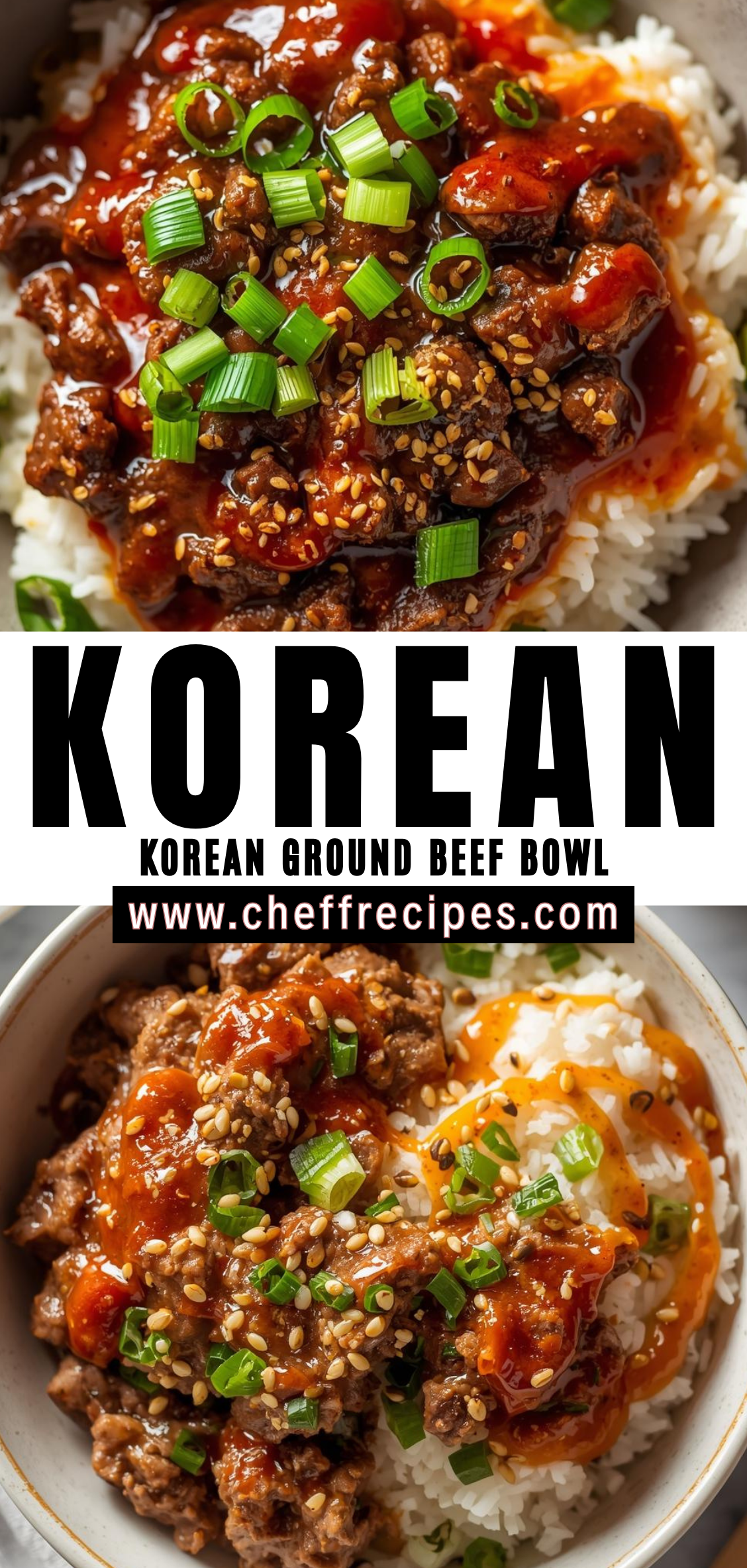
Built around savory ground beef, fragrant garlic and ginger, and a sauce that balances salty, sweet, and umami flavors, this bowl delivers bold taste in every bite. Served over warm rice and finished with fresh toppings, the Korean Ground Beef Bowl represents modern home cooking at its best: adaptable, flavorful, and nourishing. This post explores the dish in depth, from its flavor foundations and ingredient choices to preparation techniques, variations, and serving ideas, giving you not just a recipe but a complete understanding of how and why it works so well.
The Appeal of the Korean Ground Beef Bowl
What makes the Korean Ground Beef Bowl so popular is its balance of familiarity and excitement. Ground beef is a staple ingredient in many households, yet when paired with Korean-style seasonings such as soy sauce, garlic, ginger, and a touch of sweetness, it transforms into something entirely different. The bowl format adds to its appeal, allowing each component to shine while still coming together as a cohesive dish. Warm rice provides a neutral base, the beef brings richness and depth, and fresh garnishes add contrast in texture and flavor. This is a dish that satisfies cravings for comfort food while still feeling vibrant and intentional.
Understanding the Flavor Profile
Sweet, Savory, and Umami Balance
At the heart of a Korean Ground Beef Bowl is its sauce, which balances sweet and savory elements with deep umami. Soy sauce contributes saltiness and fermented complexity, while sugar or another sweetener softens the sharp edges and rounds out the flavor. Garlic and ginger add aromatic warmth, and sesame oil brings a nutty finish that lingers pleasantly. When cooked together with ground beef, these ingredients create a glossy, flavorful mixture that clings to each grain of rice.
Heat as an Optional Element
While some versions of this dish include chili paste or chili flakes for heat, spiciness is optional and easily adjustable. The beauty of this recipe is its flexibility, allowing you to tailor the level of heat to your preference or omit it entirely. When included, chili adds another layer of complexity, cutting through the richness of the beef and enhancing the overall balance.
Ingredient Philosophy and Selection
Choosing the Right Ground Beef
Ground beef is the foundation of this dish, and choosing the right type makes a noticeable difference. A moderate fat content provides richness and flavor without making the dish greasy. Lean beef can be used, but a small amount of fat helps carry the sauce and keeps the meat tender. Freshness is important, as the beef is the primary protein and flavor carrier in the bowl.
Aromatics and Seasonings
Garlic and ginger are essential aromatics in Korean-inspired cooking. Freshly minced garlic delivers pungency and depth, while ginger adds brightness and warmth. Together, they create a fragrant base that defines the dish. Soy sauce is the primary seasoning, offering both salt and umami. Sesame oil, used sparingly, adds a toasted, nutty aroma that completes the flavor profile.
Sweeteners and Balance
A touch of sweetness is crucial in balancing the saltiness of soy sauce. Sugar, honey, or similar sweeteners can be used depending on preference. The goal is not to make the dish sweet, but to create harmony among the flavors. When done correctly, the sweetness enhances the savory elements rather than competing with them.
Rice and Base Components
Rice serves as the foundation of the bowl, soaking up the flavorful sauce and providing comfort and structure. Short- or medium-grain rice works particularly well, as it has a slightly sticky texture that pairs nicely with the beef. The rice should be cooked simply, allowing the seasoned beef to remain the star.
Essential Equipment and Preparation
Preparing a Korean Ground Beef Bowl requires minimal equipment, making it accessible for cooks of all skill levels. A sturdy skillet or pan is needed to brown the beef evenly. A pot or rice cooker handles the rice. Having ingredients measured and ready before cooking ensures a smooth process, as the dish comes together quickly once heat is applied. This approach, often referred to as mise en place, helps maintain control and prevents overcooking.
Step-by-Step Guide to Making Korean Ground Beef
Cooking the Rice
Begin by preparing the rice according to your preferred method. Rinse the rice to remove excess starch, then cook it until tender and fluffy. Keep it warm while preparing the beef so everything is ready to assemble at the same time.
Browning the Ground Beef
Heat a skillet over medium heat and add the ground beef. Break it apart with a spoon or spatula, allowing it to brown evenly. Browning develops flavor through caramelization, which is essential for a rich final dish. Cook until the beef is no longer pink and any excess moisture has evaporated.
Adding Aromatics
Once the beef is browned, add minced garlic and ginger to the pan. Stir continuously to prevent burning, allowing the aromatics to release their fragrance and infuse the beef with flavor. This step is brief but crucial, as overcooking garlic can introduce bitterness.
Building the Sauce
Add soy sauce and sweetener to the pan, stirring to coat the beef evenly. If using chili paste or flakes, incorporate them at this stage. Allow the mixture to simmer briefly, letting the sauce thicken slightly and cling to the meat. Finish with a small amount of sesame oil, stirring it in just before removing the pan from heat to preserve its aroma.
Assembling the Korean Ground Beef Bowl
To assemble the bowl, start with a generous scoop of warm rice. Spoon the seasoned ground beef over the rice, ensuring an even distribution of sauce. The contrast between the neutral rice and the richly flavored beef creates the foundation of the dish. From there, toppings and garnishes add freshness, color, and texture.
Toppings and Garnishes
Fresh Vegetables
Fresh vegetables such as sliced green onions, shredded carrots, or lightly blanched spinach add brightness and crunch. These elements balance the richness of the beef and provide visual appeal.
Sesame Seeds and Herbs
A sprinkle of sesame seeds enhances the nutty flavor and adds subtle texture. Fresh herbs or greens contribute freshness and color, making the bowl feel complete and intentional.
Egg as an Optional Addition
A softly cooked egg, placed on top of the bowl, adds richness and transforms the dish into an even more satisfying meal. The yolk, when mixed into the beef and rice, creates a creamy sauce that ties everything together.
Variations and Customizations
Protein Alternatives
While ground beef is traditional in this adaptation, the recipe works well with other proteins. Ground chicken or turkey offer lighter alternatives, while plant-based ground options can be used for a vegetarian version. Each protein brings its own texture and flavor, allowing for endless variation.
Vegetable-Forward Versions
Adding vegetables directly to the beef mixture, such as diced bell peppers, zucchini, or mushrooms, increases volume and nutritional value. These additions absorb the sauce and integrate seamlessly into the dish.
Adjusting Sweetness and Heat
The balance of sweet and spicy can be easily adjusted to suit personal taste. Reducing the sweetener emphasizes savory notes, while increasing heat adds intensity and complexity. This adaptability makes the dish suitable for a wide range of preferences.
Storage, Reheating, and Meal Prep
Korean Ground Beef Bowl components store well, making this dish ideal for meal prep. The beef can be refrigerated for several days and reheated gently without losing flavor. Rice can be stored separately and warmed as needed. Keeping components separate helps maintain texture and prevents sogginess. When ready to eat, assemble the bowl fresh and add toppings just before serving.
Nutritional Perspective
This dish offers a balanced combination of protein, carbohydrates, and fats. Ground beef provides protein and richness, rice supplies energy and comfort, and vegetables contribute vitamins and freshness. By controlling portion sizes and ingredient choices, the Korean Ground Beef Bowl can fit into a variety of eating styles while still delivering satisfaction.
Common Mistakes and How to Avoid Them
Overcooking the beef can lead to dryness, while under-seasoning can result in a flat-tasting dish. Tasting and adjusting seasoning as you cook helps ensure balance. Using too much sesame oil can overpower the dish, so it should be added sparingly. Paying attention to these details makes a noticeable difference in the final result.
Cultural Inspiration and Modern Adaptation
While this dish is inspired by Korean flavors, it is a modern, home-cooking adaptation rather than a traditional recipe. It borrows familiar elements such as soy sauce, garlic, and sesame oil, translating them into a format that fits busy lifestyles and global kitchens. This flexibility is part of its charm, allowing cooks to appreciate Korean-inspired flavors while making the dish their own.
Final Thoughts: Why the Korean Ground Beef Bowl Endures
The Korean Ground Beef Bowl endures as a favorite because it delivers on multiple levels. It is quick to prepare, deeply flavorful, adaptable, and comforting.
Korean Ground Beef Bowl
This Korean Ground Beef Bowl is a fast, flavor-packed meal made with savory-sweet beef, garlic, ginger, and soy-based sauce, served over warm rice. It’s inspired by bulgogi flavors but uses ground beef for a quick, budget-friendly weeknight dinner.
Ingredients
- Beef
- 1 lb (450 g) ground beef (80–90% lean)
- 3 cloves garlic, minced
- 1 teaspoon fresh ginger, grated (or ½ tsp ground ginger)
- ⅓ cup low-sodium soy sauce
- 2 tablespoons brown sugar (or honey)
- 1 tablespoon sesame oil
- 1 tablespoon rice vinegar
- 1–2 teaspoons gochujang (optional, for mild heat)
- ¼ teaspoon black pepper
- Bowls
- 3–4 cups cooked white or brown rice
- 2 green onions, sliced
- 1 teaspoon toasted sesame seeds
- Optional Toppings:
- Sautéed spinach, carrots, or zucchini
- Fried or soft-boiled egg
- Cucumber slices or kimchi
Instructions
1. Cook the Beef
- Heat a large skillet over medium-high heat.
- Add ground beef and cook, breaking it up, until browned and cooked through (6–8 minutes).
- Drain excess fat if needed.
2. Add Flavor
- Add garlic and ginger; cook for 30 seconds until fragrant.
- Stir in soy sauce, brown sugar, sesame oil, rice vinegar, gochujang (if using), and black pepper.
- Simmer for 3–5 minutes, stirring, until sauce thickens slightly and coats the beef.
3. Assemble Bowls
- Spoon beef over warm rice.
- Garnish with green onions and sesame seeds.
- Add desired toppings and serve immediately.
Notes
- Swap ground beef for ground turkey or chicken if preferred.
- Adjust sweetness by reducing sugar or using maple syrup.