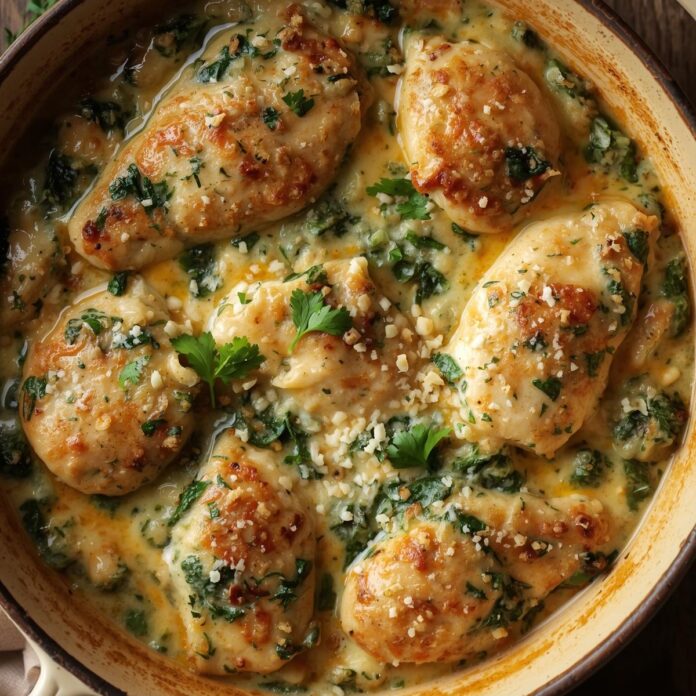
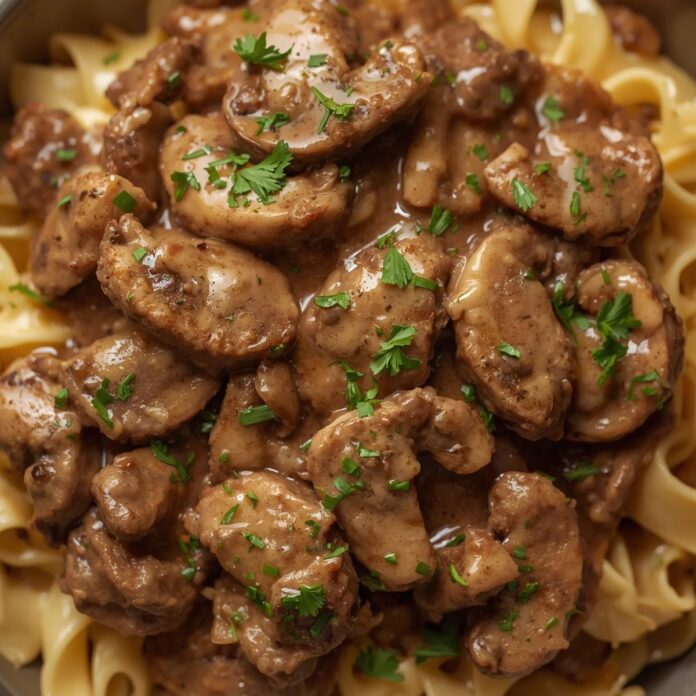
Mushroom Chicken is one of those classic recipes that transcends cultures, cooking styles, and skill levels. It is simple yet elegant, comforting yet refined, and versatile enough to be served on a busy weeknight or at a special dinner gathering.
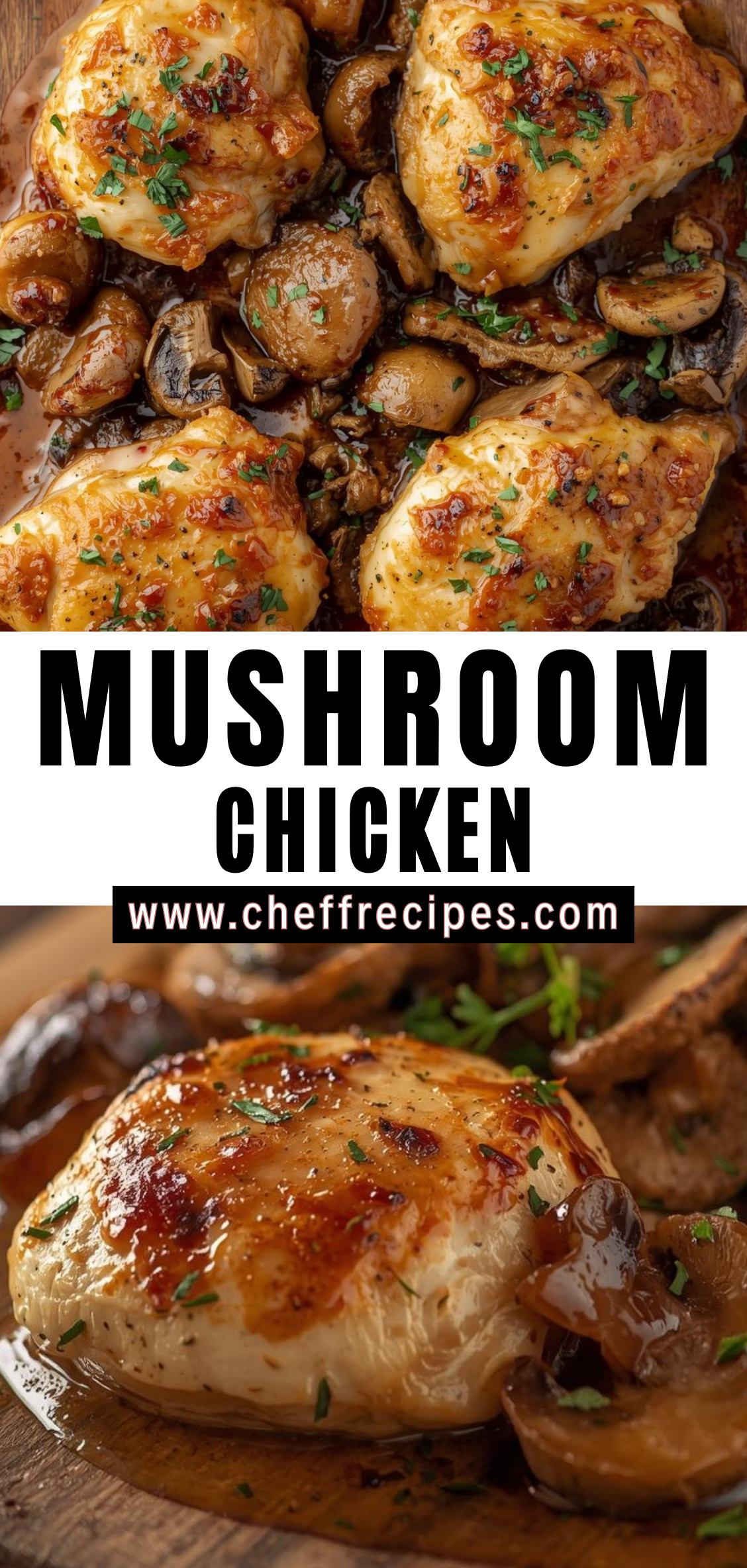
At its heart, Mushroom Chicken is about harmony: tender, juicy chicken paired with earthy, savory mushrooms and brought together by a sauce that can range from light and brothy to rich and creamy. This dish has endured for decades because it delivers deep flavor with relatively simple ingredients and techniques. In this extensive guide, you will learn everything there is to know about Mushroom Chicken, from its flavor foundations and ingredient choices to cooking techniques, variations, serving ideas, and common mistakes, empowering you to master the dish and adapt it confidently to your own kitchen and tastes.
Why Mushroom Chicken Is a Beloved Classic
Mushroom Chicken remains a favorite because it appeals to a wide audience. Chicken is mild, familiar, and widely available, while mushrooms add a depth of umami that elevates the entire dish. Together, they create a meal that feels both nourishing and indulgent without being overly heavy. Mushroom Chicken also adapts beautifully to different cuisines, appearing in French, Italian, Asian-inspired, and American comfort food traditions. Whether pan-seared, baked, braised, or simmered in sauce, the dish always delivers warmth and satisfaction.
Understanding the Flavor Profile
The defining characteristic of Mushroom Chicken is its savory depth. Mushrooms are rich in natural glutamates, which provide umami, the same savory quality found in aged cheeses and slow-cooked meats. When combined with chicken, which readily absorbs surrounding flavors, the result is a dish that tastes far more complex than its ingredient list suggests. Aromatics such as garlic, onion, shallots, or herbs enhance this depth, while butter, cream, wine, or broth shape the final character of the sauce. The balance between richness, salt, acidity, and earthiness is what makes Mushroom Chicken truly memorable.
Ingredient Overview
Chicken
Chicken is the foundation of the dish, and both breasts and thighs work well. Chicken breasts are lean and mild, making them ideal for lighter sauces, while thighs are juicier and more forgiving, lending themselves to richer, slow-simmered preparations. Bone-in chicken adds extra flavor, though boneless cuts are more convenient and quicker to cook. The key is to avoid overcooking, ensuring the chicken remains tender and succulent.
Mushrooms
Mushrooms are the soul of Mushroom Chicken. Common varieties include button mushrooms, cremini, baby bella, shiitake, oyster, and portobello. Button and cremini mushrooms are mild and widely available, while shiitake and oyster mushrooms add deeper, woodsy notes. Using a mix of mushrooms creates a more complex flavor and texture. Fresh mushrooms are strongly preferred, as they provide better texture and aroma than canned alternatives.
Aromatics
Onions, shallots, and garlic form the aromatic base of most Mushroom Chicken recipes. Onions provide sweetness, shallots add subtle elegance, and garlic contributes pungency and warmth. These ingredients should be gently sautéed to release their flavors without burning.
Cooking Fats
Butter and olive oil are commonly used, often together. Olive oil has a higher smoke point and prevents butter from burning, while butter adds richness and flavor. The choice of fat influences the final taste and mouthfeel of the dish.
Liquid Components
The sauce may include chicken broth, white wine, cream, milk, or a combination of these. Broth provides savory depth, wine adds acidity and brightness, and cream delivers richness and body. Even small changes in liquid ratios can dramatically alter the final result.
Herbs and Seasonings
Salt and black pepper are essential. Fresh or dried herbs such as thyme, rosemary, parsley, or tarragon complement mushrooms beautifully. Paprika, nutmeg, or a touch of soy sauce can be used to enhance umami and warmth.
Essential Equipment
Skillet or Pan
A wide, heavy-bottomed skillet is ideal for Mushroom Chicken. It allows the chicken to brown evenly and provides enough surface area for mushrooms to release moisture and caramelize properly.
Knife and Cutting Board
A sharp knife ensures clean cuts and uniform pieces, which is important for even cooking and professional presentation.
Tongs or Spatula
These tools make it easier to flip chicken and stir mushrooms without tearing or breaking delicate pieces.
Preparing the Chicken
Trimming and Seasoning
Trim excess fat from the chicken and pat it dry with paper towels. Drying the surface helps achieve better browning. Season generously with salt and pepper, and optionally with paprika or garlic powder for added flavor.
Searing for Flavor
Searing the chicken over medium-high heat creates a golden crust that locks in moisture and adds depth through caramelization. This step is crucial, as it builds the flavor foundation of the dish. The chicken does not need to be fully cooked at this stage, as it will finish cooking in the sauce.
Preparing the Mushrooms
Cleaning Mushrooms
Mushrooms should be wiped clean with a damp cloth or briefly rinsed and dried thoroughly. Avoid soaking them, as they absorb water easily, which can interfere with browning.
Slicing Techniques
Slice mushrooms evenly to ensure uniform cooking. Thick slices provide a meaty texture, while thinner slices integrate more fully into the sauce.
Cooking Mushrooms Properly
Mushrooms release a significant amount of water when cooked. For best results, cook them in a single layer over medium-high heat until their moisture evaporates and they begin to brown. This process concentrates their flavor and prevents a watery sauce.
Building the Sauce
Aromatic Base
After removing the chicken from the pan, sauté onions or shallots in the remaining fat, scraping up any browned bits from the bottom. These bits, known as fond, are packed with flavor.
Adding Garlic and Herbs
Add garlic and herbs once the onions have softened. Garlic should be cooked briefly to avoid bitterness.
Deglazing the Pan
Deglazing involves adding liquid, such as wine or broth, to the hot pan to dissolve the fond. This step intensifies the sauce’s flavor and adds complexity.
Incorporating Cream or Broth
Once deglazed, add broth, cream, or a combination thereof. Simmer gently to allow the flavors to meld and the sauce to thicken slightly.
Combining Chicken and Mushrooms
Return the chicken to the pan, nestling it into the mushroom sauce. Simmer gently until the chicken is fully cooked and tender. This step allows the chicken to absorb the flavors of the sauce while releasing its own juices, further enriching the dish.
Finishing Touches
Adjusting Seasoning
Taste the sauce and adjust salt, pepper, or acidity as needed. A small squeeze of lemon juice or splash of vinegar can brighten the dish.
Garnishing
Fresh herbs such as parsley or thyme add color, freshness, and aromatic contrast to the rich sauce.
Serving Suggestions
With Starches
Mushroom Chicken pairs beautifully with mashed potatoes, rice, pasta, or polenta, all of which absorb the flavorful sauce.
With Vegetables
Serve alongside roasted vegetables, green beans, asparagus, or a crisp salad to balance richness.
As a Standalone Dish
With plenty of mushrooms and sauce, Mushroom Chicken can be satisfying enough to serve on its own.
Variations and Adaptations
Creamy Mushroom Chicken
Increase the amount of cream or add cream cheese for a richer, more indulgent version.
Dairy-Free Mushroom Chicken
Use olive oil instead of butter and rely on broth or coconut milk for creaminess.
Garlic Mushroom Chicken
Emphasize garlic by adding roasted or confit garlic for deeper flavor.
Asian-Inspired Mushroom Chicken
Incorporate soy sauce, ginger, and a splash of sesame oil for a savory twist.
Baked Mushroom Chicken
Assemble the dish in a baking dish and finish cooking in the oven for hands-off preparation.
Common Mistakes to Avoid
Overcrowding the Pan
Overcrowding prevents proper browning and leads to steaming rather than searing.
Undercooking Mushrooms
Failing to cook off mushroom moisture results in a bland, watery sauce.
Overcooking Chicken
Overcooked chicken becomes dry and tough. Gentle simmering preserves tenderness.
Underseasoning
Mushrooms and cream require sufficient seasoning to shine. Taste frequently.
Storage and Reheating
Storing Leftovers
Store Mushroom Chicken in an airtight container in the refrigerator for up to three days.
Freezing Instructions
Cream-based versions can be frozen, though texture may change slightly. Thaw gently and reheat slowly.
Reheating Tips
Reheat over low heat on the stovetop, adding a splash of broth or cream if the sauce thickens too much.
Nutritional Perspective
Mushroom Chicken provides high-quality protein from chicken and valuable nutrients from mushrooms, including B vitamins and minerals. The overall nutritional profile depends on the amount of fat and cream used, making the dish easy to adapt to lighter or richer preferences.
Why Mushroom Chicken Works So Well
The enduring appeal of Mushroom Chicken lies in its balance. The mildness of chicken allows mushrooms and aromatics to shine, while the sauce ties everything together into a cohesive, comforting whole. Each element enhances the others, resulting in a dish that feels complete and deeply satisfying.
Final Thoughts
Mushroom Chicken is more than just a recipe; it is a foundational dish that teaches essential cooking principles such as searing, sauce-building, and flavor balancing.
Mushroom Chicken
Mushroom Chicken is a classic, savory dish featuring juicy pan-seared chicken breasts smothered in a rich, garlicky mushroom sauce. It’s comforting, flavorful, and versatile—perfect for serving over rice, mashed potatoes, or pasta, or alongside roasted vegetables.
Ingredients
- 4 boneless, skinless chicken breasts (or thighs)
- 1 teaspoon salt
- ½ teaspoon black pepper
- ½ teaspoon paprika
- 2 tablespoons olive oil or butter
- 8 oz mushrooms, sliced (button, cremini, or baby bella)
- 3 cloves garlic, minced
- ½ cup chicken broth
- ¾ cup heavy cream (or half-and-half)
- ½ teaspoon dried thyme or Italian seasoning
- ¼ cup grated Parmesan cheese (optional, for extra richness)
- Optional garnish: chopped parsley
Instructions
- Season chicken on both sides with salt, pepper, and paprika.
- Sear chicken in olive oil or butter in a large skillet over medium-high heat, 4–5 minutes per side, until golden and cooked through. Remove and set aside.
- Cook mushrooms in the same skillet over medium heat until browned and tender, about 5–7 minutes.
- Add garlic and cook 30 seconds until fragrant.
- Deglaze pan with chicken broth, scraping up any browned bits.
- Stir in cream and thyme; simmer 3–5 minutes until slightly thickened.
- Return chicken to the skillet and spoon sauce over top. Simmer 3–5 minutes.
- Finish with Parmesan if using, and garnish with parsley before serving.
Notes
- Extra flavor: Deglaze with a splash of white wine before adding broth.
- Lighter version: Substitute evaporated milk or half-and-half for heavy cream.
- Add-ins: Spinach, onions, or sun-dried tomatoes work beautifully.