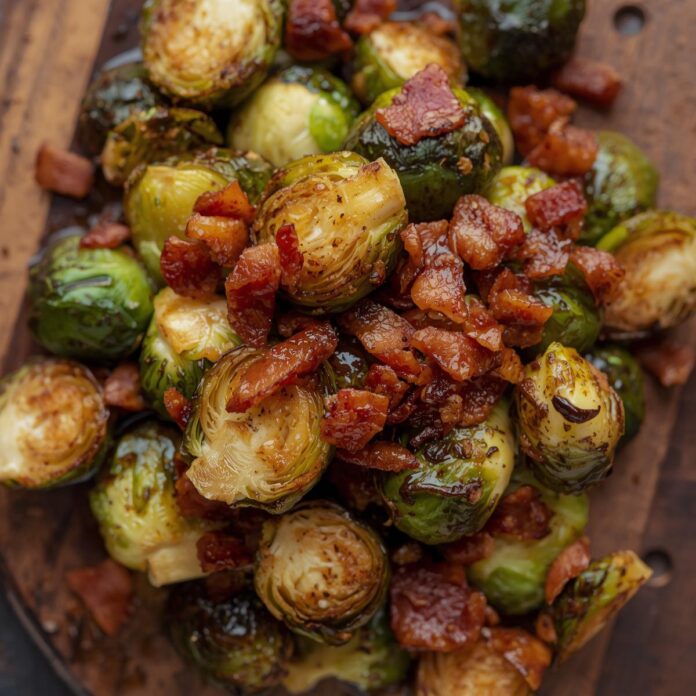
There are few dishes that capture the essence of comfort cooking as completely as a one-pot meal built around ground beef and potatoes. Simple, humble, and deeply nourishing, this combination has been a staple in kitchens across cultures for generations. It is the kind of dish that doesn’t ask for prestige or ceremony. Instead, it offers reliability, warmth, and a sense of grounded familiarity. When a pot of ground beef and potatoes is simmering on the stove, the home fills with an aroma that signals both nourishment and rest—an invitation to slow down, settle in, and enjoy something uncomplicated yet deeply satisfying.

The beauty of this recipe begins with its accessibility. Ground beef and potatoes are ingredients that many households keep on hand, the sort of pantry and freezer staples that can be transformed into countless variations. Every family seems to have its own version—some heavily spiced, some creamy, some brothy, some with vegetables folded in, and others focused purely on the hearty combination of meat and potatoes. This versatility is part of the dish’s charm. You can tailor it to your taste, your schedule, or whatever ingredients you happen to have available. Whether you dress it up with fresh herbs and aromatics or keep it minimal and rustic, the core flavors remain grounded, familiar, and comforting.
This dish also reflects the enduring appeal of one-pot cooking. There is something inherently reassuring about meals that come together in a single vessel. They promise efficiency without compromising flavor, and they encourage cooks to rely on layering techniques that coax out richness and depth. As ingredients cook together in the same pot, their flavors meld and evolve in a way that multiple-pan recipes can’t always achieve. In this case, the ground beef renders its fat and forms a deeply savory base. Aromatics deepen that foundation. Potatoes absorb the juices and seasonings, gradually softening until they’re tender and perfumed with the surrounding broth. Each component contributes to the next, and by the time the dish is finished, the pot contains something greater than its individual parts.
One of the strengths of this recipe is that it appeals to both the novice cook and the experienced home chef. Beginners appreciate that it is nearly impossible to ruin. The steps are straightforward, the ingredients are forgiving, and the dish rewards even modest efforts with satisfying results. Experienced cooks, on the other hand, find that the simplicity provides room for nuance. They might caramelize the onions more deeply, choose a particular variety of potato for texture, experiment with herbs, or adjust the cooking method to bring out certain flavors. This openness makes the recipe an ideal canvas, one that invites personalization while still delivering a dependable meal.
Beyond the kitchen, One Pot Ground Beef and Potatoes carries a sense of familiarity that resonates with people from many backgrounds. Variations of beef-and-potato meals appear in cuisines worldwide—from North American skillet hashes to European braises, Asian stir-fries that pair beef with tubers, and Latin American picadillo styles that incorporate potatoes into seasoned ground beef mixtures. These dishes emerge from a shared culinary instinct: combine affordable, filling ingredients in a way that maximizes flavor and sustenance. This universality gives the recipe a quietly nostalgic quality. Even if you have never made this exact version before, chances are it will remind you of something you have eaten, or something a relative once cooked, or a dish you encountered in childhood.
In the context of modern cooking, when many people balance tight schedules with the desire for homemade meals, recipes like this one become invaluable. They require minimal preparation, produce minimal dishes, and invite easy cleanup. Yet they remain hearty enough to satisfy hunger at the end of a long day. Furthermore, the leftovers—if any remain—often taste even better the next day, as the flavors continue to meld. This makes the dish particularly useful for meal prepping, feeding a crowd, or stretching ingredients to make multiple meals from a single pot.
What also sets this recipe apart is its adaptability to the seasons. In colder months, it feels like the classic winter comfort dish, offering warmth and substance. In warmer months, it can be brightened with fresh herbs, vegetables, or tangy toppings to lighten its profile. With just a few adjustments, it transitions seamlessly from cozy to fresh, from rustic to refined. This flexibility means the dish never truly grows old; it evolves with the cook’s needs and the ingredients at hand.
While the ingredients themselves are simple, the flavors that emerge from the pot are layered and robust. As the ground beef browns, it develops a deep, meaty base through the Maillard reaction. Onions, garlic, and spices add aromatic depth. Potatoes soften and absorb juices, becoming tender and richly flavored. Depending on the route you choose, the final texture may be slightly brothy like a stew, silky like a creamy skillet dish, or crisp-edged like a stovetop hash. Each variation delivers comfort, but in different ways, allowing the cook to shape the dish according to preference.
This introduction sets the tone for a recipe that is rooted in practicality yet rich in tradition. It honors the natural harmony of ground beef and potatoes while recognizing their global and historical resonance. More than that, it acknowledges the emotional significance of simple meals—how they connect people to memories, to culture, and to one another. In the sections that follow, you will find not only the recipe itself but a deep exploration of techniques, ingredient choices, variations, tips, and thoughtful expansions designed to guide you through each step with clarity and confidence. Whether you are cooking for one, for a family, or for a gathering of friends, this dish offers both nourishment and narrative—the kind of meal that satisfies the appetite and lingers in the mind.
Detailed Instructions
1. Prepare the Ingredients with Intention
Before you turn on the stove, take time to prepare each ingredient properly. One-pot dishes rely on layering flavors, and thoughtful preparation ensures that everything cooks at the right pace and blends into a cohesive, balanced whole.
Ground beef:
Choose beef with enough fat to add richness but not so much that the dish feels greasy. An 85/15 or 80/20 blend is ideal. Break the beef into smaller chunks with your hands before cooking; this encourages more even browning and prevents overly large clumps once it hits the pan.
Potatoes:
Select a potato variety based on the final texture you prefer. Waxy potatoes like Yukon Gold hold their shape and offer a creamy bite, while russets soften more deeply and break down slightly, helping to thicken the dish. Scrub the potatoes thoroughly, peel if desired, and cut them into evenly sized cubes—about ½ to ¾ inch. Uniformity ensures they cook simultaneously.
Aromatics:
Onions should be diced finely for quick, even softening. Garlic should be minced rather than sliced; its smaller pieces distribute better across the dish and release flavor more uniformly. If you use carrots, celery, or bell peppers, dice them to match the size of the onions so they soften at a similar rate.
Seasonings:
Measure your spices ahead of time. Common choices include paprika, black pepper, thyme, oregano, bay leaves, chili powder, or smoked paprika. Preparing them in advance allows you to add them at the perfect moment without scrambling.
2. Heat the Pot and Begin to Build Flavor
Place a large, heavy-bottomed pot or deep skillet over medium to medium-high heat. A Dutch oven or sauté pan with high walls is ideal because it retains heat evenly and prevents overcrowding as ingredients are added.
Allow the pot to heat for a minute before adding anything. When the surface feels hot when you hold your hand above it, add a small drizzle of oil—only a teaspoon or two—just enough to prevent the ground beef from sticking during the initial sear. Even if your ground beef contains fat, this small amount helps encourage early browning.
3. Brown the Ground Beef Thoroughly
Add the ground beef to the hot pot in an even layer. Spread it out so as much meat as possible makes direct contact with the bottom. Resist the urge to stir immediately. Let the beef sear undisturbed for 3–4 minutes. This deep, initial browning is crucial; it develops the savory foundation upon which the entire dish rests.
After the first sear, begin breaking the meat apart with a wooden spoon or spatula. Continue cooking, stirring occasionally, until the beef is fully browned. The goal is a mix of crisp, browned edges and tender, fully cooked bits.
Managing fat:
Once the beef is browned, assess the amount of rendered fat. If there’s more than a few tablespoons, carefully spoon some out—but leave enough to cook the aromatics and coat the potatoes later. The fat contributes significant flavor, so avoid removing all of it.
Season lightly with salt and pepper at this stage. You will adjust seasoning later after adding potatoes and liquid.
4. Add Onions and Aromatics to Deepen the Flavor Base
Push the browned beef to one side of the pot, creating an open space. Add your diced onions directly to the exposed surface. Doing this ensures the onions make contact with the heat rather than steaming on top of the beef.
Cook the onions until they soften and become translucent, about 3–5 minutes. As you stir, fold some of the beef back into the onions so the flavors combine.
Once the onions are fragrant and soft, add your minced garlic. Stir continuously for 30–45 seconds. Garlic burns quickly, and stirring ensures even cooking without scorching. If using celery, carrots, chopped peppers, or other vegetables, add them at the same time as the onions so they have sufficient time to soften.
5. Toast the Spices to Unlock Their Flavors
Now is the ideal moment to add your spices. Sprinkling spices onto the hot mixture allows them to toast lightly in the residual fat, releasing essential oils and intensifying their aromas. This step transforms the spice flavors from flat or raw into deeper, more integrated notes.
Common additions include:
-
Paprika or smoked paprika
-
Thyme
-
Oregano
-
Chili powder
-
Cumin
-
Bay leaf
-
Red pepper flakes
Stir the mixture continuously as the spices toast for 30–60 seconds. A warm, fragrant aroma should bloom, signaling that the spices have opened up.
6. Incorporate the Potatoes and Coat Them Evenly
Add your cubed potatoes to the pot. Stir thoroughly so they become coated in beef fats, aromatics, and spices. This early coating ensures that as the potatoes cook, they absorb the flavors around them rather than sitting on top of the mixture or cooking in isolation.
Allow the potatoes to cook in the fat and aromatics for 3–4 minutes before adding any liquid. This brief sauté gives them a head start and helps them develop more flavor. The edges may begin to turn slightly golden, but they do not need to fully brown.
7. Deglaze the Pot and Lift the Fond
At the bottom of your pot, you should see browned bits—called fond—stuck to the surface. These bits are concentrated flavor, created during the browning process. To lift them, add a small amount of liquid: a splash of broth, water, or even a bit of wine depending on your recipe variation.
As soon as the liquid hits the pot, use your spoon to scrape the bottom, lifting the fond from the surface. This both prevents burning and enriches the dish, transferring that deep flavor back into the mixture.
8. Add the Main Cooking Liquid
Depending on the desired consistency, add enough broth, water, tomato sauce, crushed tomatoes, or cream to partially submerge the potatoes. The amount of liquid determines whether the final dish is:
-
Stewy
-
Brothy
-
Creamy
-
Thick and dense
-
More like a hash
For a classic one-pot beef and potatoes dish, aim for enough liquid to cover the potatoes halfway. They will release additional moisture as they cook, and partial submersion keeps the final texture hearty rather than soupy.
Stir thoroughly and bring the pot to a simmer.
9. Simmer Slowly to Achieve Tender Potatoes
Once simmering, reduce the heat to medium-low. Cover the pot with a lid, leaving a slight gap for steam to escape. Simmer gently for 15–25 minutes, depending on the potato variety and size.
Stir every 5 minutes to ensure the potatoes cook evenly and to prevent sticking.
Check the potatoes with a fork. They should be tender but not falling apart. If the liquid level gets too low before the potatoes finish cooking, add a splash more broth or water.
10. Adjust Texture and Consistency
At this point, you can tailor the dish to your liking:
-
Thicker consistency: Mash some potatoes against the pot’s side and stir them in.
-
Thinner or brothier: Add more liquid and simmer briefly.
-
Creamier: Stir in a splash of cream, milk, or sour cream.
-
Richer: Add a tablespoon of butter or a handful of cheese.
Taste and adjust with salt, pepper, or additional seasonings.
11. Finish with Fresh Ingredients or Bright Elements
Once the potatoes are fully tender and the flavors have melded, turn off the heat. This is the ideal moment to introduce finishing touches such as:
-
Fresh parsley, cilantro, or chives
-
A squeeze of lemon juice
-
A dash of Worcestershire sauce
-
A swirl of mustard
-
A small handful of shredded cheese
These elements brighten the dish and balance the richness of the beef and potatoes.
12. Serve Immediately While Hot
The dish is best served straight from the pot while the potatoes are soft and the mixture is warm and fragrant. Spoon into bowls or plates, ensuring each serving includes both beef and potato. The flavors will continue to deepen as the dish rests, so leftovers—if any—will taste even better the next day.
One Pot Ground Beef and Potatoes
There are few dishes that capture the essence of comfort cooking as completely as a one-pot meal built around ground beef and potatoes. Simple, humble, and deeply nourishing, this combination has been a staple in kitchens across cultures for generations. It is the kind of dish that doesn’t ask for prestige or ceremony. Instead, it offers reliability, warmth, and a sense of grounded familiarity. When a pot of ground beef and potatoes is simmering on the stove, the home fills with an aroma that signals both nourishment and rest—an invitation to slow down, settle in, and enjoy something uncomplicated yet deeply satisfying.
Ingredients
- 1 lb ground beef
- 1 tablespoon olive oil (if needed)
- 1 medium onion, diced
- 2–3 cloves garlic, minced
- 3 medium potatoes, diced into ½-inch cubes
- 1 teaspoon paprika
- 1 teaspoon dried oregano
- ½ teaspoon chili powder (optional)
- ½ teaspoon black pepper
- 1 teaspoon salt (or to taste)
- 1 cup beef broth
- 1 cup shredded cheddar cheese (optional)
- 2 tablespoons chopped parsley or green onions for garnish
Instructions
1. Brown the Ground Beef
- Heat a large pot or deep skillet over medium-high heat.
- Add the ground beef and cook, breaking it up with a spoon.
- Drain excess fat if necessary.
- Add diced onion and cook until softened, about 3 minutes.
2. Add Garlic and Seasonings
- Stir in the minced garlic and cook for 30 seconds until fragrant.
- Add the paprika, oregano, chili powder, salt, and pepper.
- Mix well to coat the beef and onions.
3. Add the Potatoes
- Add the diced potatoes to the pot.
- Stir to combine with the meat mixture.
4. Add Broth and Cook
- Pour in the beef broth.
- Bring to a simmer, then cover with a lid.
- Cook for 15–18 minutes, stirring occasionally, until potatoes are tender.
5. Finish and Serve
- Taste and adjust seasoning if needed.
- Optionally sprinkle cheddar cheese on top and let it melt.
- Garnish with parsley or green onions and serve warm.
Notes
- For crispier potatoes, brown them in the pot for 5 minutes before adding broth.
- Add vegetables such as bell peppers, peas, or carrots to make it a full one-pot meal.
- Swap cheddar with pepper jack for a spicy version.
- Use Yukon Gold potatoes for the best texture — they hold shape and cook evenly.
- If you want a thicker sauce, uncover and let simmer an extra 5 minutes.