The allure of a well-crafted meatball lies in its balance: tender yet structured, savory yet nuanced, familiar yet capable of surprising the palate with new layers of flavor. While traditional versions often rely on beef chicken offers a lean canvas that absorbs seasonings beautifully and adapts effortlessly to creative pairings. Among the many possible flavor companions, peach stands out as one of the most unexpected and captivating. Naturally sweet, subtly floral, and bright with acidity when ripe, peaches have a way of softening the edges of savory dishes while introducing a gentle fruit-forward complexity. When combined with seasoned ground chicken and shaped into delicate, juicy spheres, the result is a meatball that is both comforting and refreshingly original.
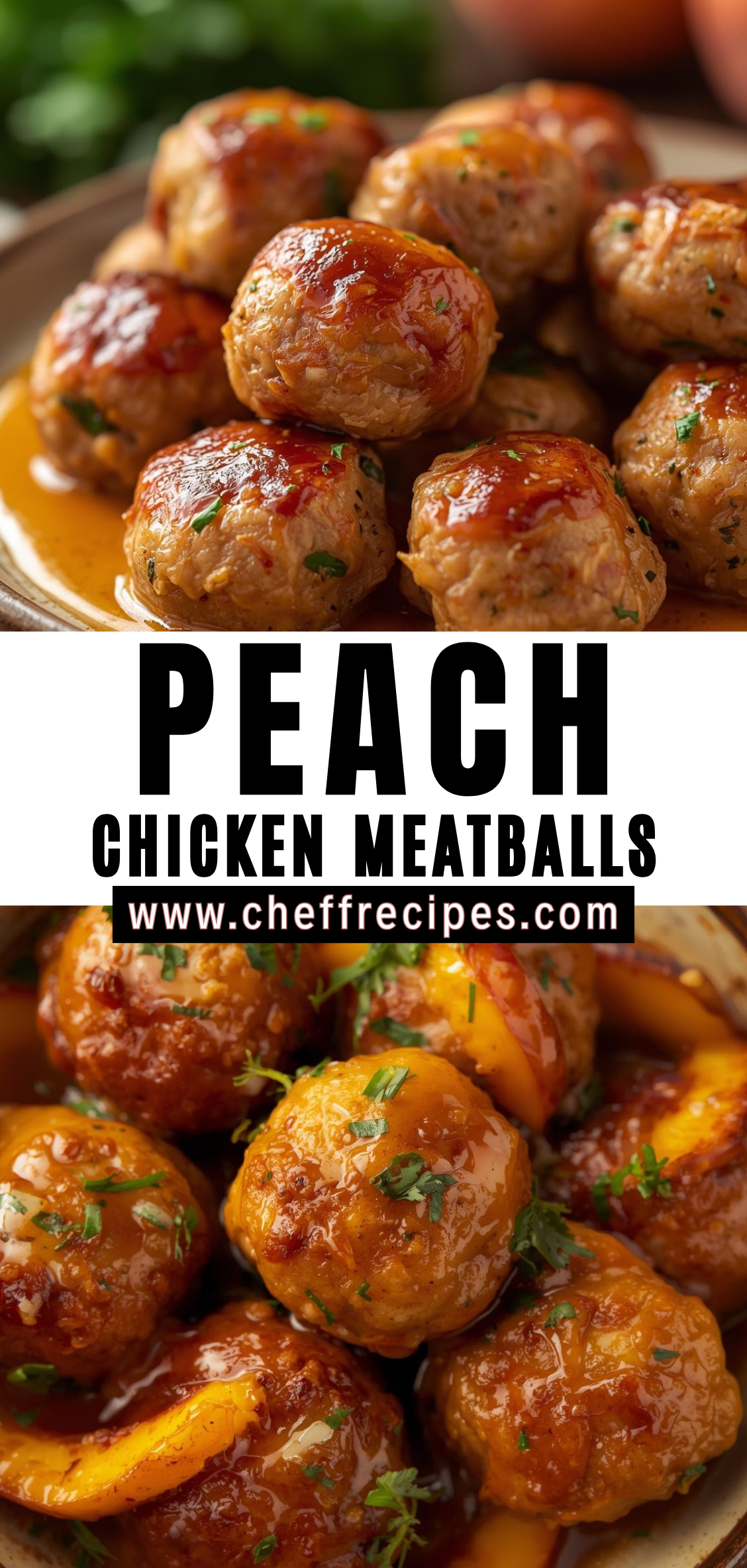
The Peach Chicken Meatballs presented in this recipe are rooted in the idea that savory dishes can benefit immensely from thoughtfully integrated sweetness. Instead of overwhelming the dish, peaches lend an aromatic lift and moisture that complement the chicken’s mild flavor. Whether incorporated finely into the meat mixture, simmered into the glaze, or both, their presence adds dimension and a sense of seasonal brightness. The outcome is a meatball with a glossy, lightly caramelized exterior and a tender, succulent interior punctuated by subtle fruit notes. Each bite feels warm and inviting, yet never heavy, making these meatballs suitable for a wide range of meals throughout the year.
This recipe celebrates versatility as much as flavor. Peach Chicken Meatballs can be served as elegant appetizers during gatherings, paired with toothpicks and a small bowl of glaze. They can anchor a summertime dinner when paired with rice, grilled vegetables, or a fresh herb salad. They can be nestled into bowls of couscous or quinoa, rolled into slider buns, or layered onto crisp greens for a satisfying yet light lunch. Their adaptability means that once mastered, they can become a reliable addition to your cooking repertoire, ready to be adjusted depending on season, mood, or occasion.
In crafting these meatballs, technique matters just as much as ingredients. Ground chicken has a delicate texture that can easily become dry or overly compact if handled without care. This recipe provides detailed guidance for mixing, shaping, and cooking meatballs in a way that preserves moisture and ensures a soft, yielding interior. The addition of peaches introduces natural hydration, but proper binding, gentle shaping, and mindful cooking are essential to achieving ideal results. Understanding the mechanics of browning, the importance of maintaining even sizes, and the role of aromatics will help you construct a final dish that feels intentional and refined.
The glaze, too, plays a vital role. More than a finishing touch, it acts as the connecting element between the sweetness of the peaches and the savory depth of the chicken. When simmered correctly, it coats the meatballs in a sheen that enhances both flavor and visual appeal. The glaze should not be overly sweet; instead, it should offer balance: a mild tang, a whisper of spice, and a touch of richness that ties each bite together. As you build the dish step by step, you will see how each layer is essential to crafting that harmony.
This introduction marks the beginning of a detailed culinary exploration of Peach Chicken Meatballs: a dish that blends comfort with innovation, simplicity with artistry. In the sections that follow, we will walk through ingredient selection, preparation techniques, cooking methods, variations, troubleshooting tips, and serving suggestions—each explained with care and depth. By the time you reach the end of this recipe, you will understand not only how to make these meatballs but why each step contributes to their unique character.
Detailed Instructions
Preparing Peach Chicken Meatballs
1. Ingredient Preparation: Understanding Roles and Selecting the Best Components
Before mixing the meatball base, it’s essential to understand how each ingredient supports texture, moisture, aroma, and structure. Chicken is lean, peaches bring moisture and sweetness, binders hold everything together, and aromatics build depth. Proper preparation sets the foundation for consistent, tender results.
2. Handling the Peaches: Texture, Ripeness, and Cutting Techniques
2.1 Choosing the Right Peaches
The success of this dish depends heavily on peach selection. Aim for peaches that are:
-
Ripe yet firm enough to dice cleanly
-
Fragrant and sweet without mushiness
-
Free of deep bruises or wrinkles
-
Slightly yielding to gentle pressure along the shoulder
2.2 Washing and Peeling (If Desired)
Rinse peaches under cool water. Pat dry completely.
Peeling is optional; skin adds color and fiber but can also carry a slight bitterness. If peeling:
-
Score an “X” at the base.
-
Blanch in simmering water for 10–15 seconds.
-
Shock in ice water.
-
Peel gently with your fingers.
2.3 Dicing for Ideal Integration
Dice peaches into small, uniform cubes—approximately 1/8 to 1/4 inch.
This size ensures even distribution throughout each meatball without causing structural weakness. Avoid large chunks, which may cause meatballs to break apart during shaping or cooking.
2.4 Managing Peach Moisture
Place the diced peaches on a paper towel and gently press another towel over them. You’re not trying to dry them completely; the goal is to remove excess surface liquid that could water down the mixture.
3. Preparing the Aromatics: Building Depth Without Overpowering
3.1 Onion Selection and Preparation
Yellow or sweet onions work best. Avoid strong white onions that may dominate the delicate peach flavor.
Finely mince the onion—pieces should be no larger than 1/8 inch. The finer the cut, the better the meatball texture.
3.2 Garlic Handling
Use fresh garlic cloves rather than pre-minced.
Mince or grate garlic with a microplane to ensure even distribution and prevent harsh raw bites.
3.3 Adding Optional Herbs
Fresh herbs complement peach beautifully, especially:
-
Parsley
-
Thyme
-
Basil
-
Chives
Minced herbs should be extremely fine to avoid clumping or stringiness within the meatballs.
4. Preparing the Chicken: Texture Control and Fat Balance
4.1 Choosing the Right Ground Chicken
Lean chicken breast meat is too dry on its own. Opt for a blend of breast and thigh meat, or use ground chicken labeled as 93% lean or similar.
The slight fat content improves tenderness and prevents crumbly texture.
4.2 Chilling for Mixing
Cold chicken is easier to handle and helps maintain a tender structure.
If the chicken has been sitting out, refrigerate it for 10–15 minutes before mixing.
5. Structuring the Meatball Mixture: Binding and Mixing Techniques
5.1 Binders and Moisture Balance
The meatball base should include:
-
Eggs for structure
-
Bread crumbs or panko for softness and absorption
-
A small amount of milk or cream for richness
-
Seasonings such as salt, pepper, paprika, or mild chili flakes
5.2 Mixing Method
Place the ground chicken in a large bowl. Add aromatics, diced peaches, binders, herbs, and seasonings.
With clean hands or a fork, gently mix until just combined.
Important guidance:
-
Do not overmix; it compresses proteins and toughens texture.
-
Fold ingredients together rather than mashing.
-
Ensure peaches remain intact and evenly dispersed.
5.3 Texture Assessment
The mixture should feel cohesive but soft.
If too wet: add a tablespoon of breadcrumbs at a time.
If too dense: add a splash more milk or an extra teaspoon of peach juice.
6. Shaping the Meatballs: Size, Consistency, and Technique
6.1 Preparing Workspace
Set up:
-
A tray lined with parchment
-
A small bowl of water for wetting hands
-
A tablespoon or scoop for consistent measuring
6.2 Achieving Uniform Size
For perfect cooking:
Form meatballs between 1 to 1½ inches in diameter.
Using a scoop ensures even heat distribution and prevents overcooking.
6.3 Gentle Shaping is Key
Lightly wet your palms and roll each portion gently.
Avoid compressing tightly; air pockets help maintain tenderness.
6.4 Resting the Shaped Meatballs
Allow shaped meatballs to rest in the refrigerator for 15–20 minutes.
This helps them firm up and hold shape during cooking.
7. Cooking Methods: Pan-Searing, Baking, or Braising
You can choose the optimal method depending on the final texture you want. Below are detailed instructions for each.
Method 1: Pan-Searing (For Caramelized Exterior)
7.1 Heating the Pan
Place a large skillet over medium heat and add a thin coating of neutral oil.
The oil should shimmer but not smoke.
7.2 Searing the Meatballs
Add meatballs carefully, leaving space between each to avoid steaming.
Allow each side to brown thoroughly before turning.
Cook until golden on all sides, then reduce heat and cover briefly to finish cooking.
7.3 Internal Temperature Goal
Cook until meatballs reach an internal temperature of 165°F (74°C).
Method 2: Baking (For Cleaner, Hands-Off Cooking)
7.4 Oven Preparation
Preheat oven to 400°F (205°C).
Line a sheet pan with parchment or lightly oiled foil.
7.5 Baking
Arrange meatballs with at least 1 inch of spacing.
Bake 18–22 minutes, depending on size, until lightly browned and fully cooked.
Method 3: Braising in Peach Glaze (For Tender, Glossy Meatballs)
7.6 Initial Browning
Start by lightly searing meatballs for color.
No need to cook them through yet.
7.7 Adding to Glaze
Once browned, transfer meatballs into simmering peach glaze (detailed section coming next).
Simmer gently for 10–15 minutes until cooked through and coated.
This method produces the juiciest, most intensely flavored meatballs.
8. Preparing the Peach Glaze: Balancing Sweetness, Acidity, and Aroma
8.1 Core Components
The glaze typically includes:
-
Fresh diced peaches or peach purée
-
A touch of vinegar (apple cider or rice vinegar)
-
Honey or brown sugar
-
Soy sauce for savory depth
-
Ginger for aromatic lift
-
Garlic for warmth
8.2 Creating the Base
In a saucepan, combine peaches, vinegar, sweetener, aromatics, and a splash of water or stock.
Simmer over medium heat until peaches soften and begin to break down.
8.3 Thickening the Glaze
Two options:
-
Reduce naturally until syrupy
-
Add a light cornstarch slurry for more controlled thickening
8.4 Adjusting Flavor Balance
Taste and adjust:
-
More vinegar if too sweet
-
More honey if too tangy
-
Pinch of salt to round flavors
-
Additional ginger for brightness
8.5 Final Glaze Texture
You want a glossy, pourable syrup that clings to the back of a spoon.
Do not let it become sticky or overly thick; meatballs should glide smoothly when coated.
9. Glazing the Meatballs: The Final Transformation
9.1 Coating Technique
Add cooked meatballs to a shallow pan of glaze.
Turn gently until fully coated.
9.2 Simmering for Integration
Let them simmer 3–5 minutes in the glaze.
This allows flavors to marry without making the meatballs mushy.
9.3 Resting Period
Allow finished meatballs to rest for 5 minutes before serving.
This helps glaze adhere properly and deepens aroma.
10. Serving and Presentation: Highlighting Color and Texture
Serve meatballs:
-
Drizzled with extra glaze
-
Garnished with fresh herbs or peach slices
-
Over rice, quinoa, or salads
-
As appetizers with toothpicks
-
In sliders or grain bowls
Plate in shallow dishes to emphasize their shine and color.
Peach Chicken Meatballs
The allure of a well-crafted meatball lies in its balance: tender yet structured, savory yet nuanced, familiar yet capable of surprising the palate with new layers of flavor. While traditional versions often rely on beef or chicken offers a lean canvas that absorbs seasonings beautifully and adapts effortlessly to creative pairings.
Ingredients
- For the Meatballs:
- 1 lb (450 g) ground chicken
- 1 large egg
- 1/3 cup breadcrumbs
- 1/4 cup finely diced onion
- 1 garlic clove, minced
- 1/4 tsp salt
- 1/4 tsp black pepper
- 1 tbsp chopped fresh parsley (optional)
- 1 tbsp olive oil (for browning)
- For the Peach Sauce:
- 1 1/2 cups diced fresh peaches (or frozen, thawed)
- 2 tbsp honey or maple syrup
- 1 tbsp soy sauce
- 1 tbsp apple cider vinegar
- 1 tsp Dijon mustard
- 1/4 cup chicken broth or water
- 1/4 tsp red pepper flakes (optional for heat)
Instructions
1. Prepare the Meatball Mixture
- In a mixing bowl, combine ground chicken, egg, breadcrumbs, onion, garlic, salt, pepper, and parsley.
- Mix gently until just combined—do not overwork the meat.
- Roll into 1-inch meatballs and set aside.
2. Brown the Meatballs
- Heat olive oil in a large skillet over medium heat.
- Add the meatballs in a single layer and brown on all sides (about 5–6 minutes).
- Remove and set aside—they will finish cooking in the sauce.
3. Make the Peach Sauce
- In the same skillet, add peaches, honey, soy sauce, vinegar, mustard, chicken broth, and red pepper flakes.
- Stir and bring to a gentle simmer.
- Using the back of a spoon, mash a few peach pieces to thicken the sauce slightly.
4. Simmer the Meatballs
- Return the browned meatballs to the skillet, nestling them into the sauce.
- Cover and simmer for 10–12 minutes, or until the meatballs are fully cooked (165°F / 74°C internal temperature).
- Stir gently to coat them evenly in the peach sauce.
5. Serve
- Spoon extra peach sauce over the top and serve warm.
- Pair with rice, mashed potatoes, roasted veggies, or serve as an appetizer.
Notes
- For a smoother sauce, blend the peaches before cooking.
- Add a splash of hot sauce for a sweet–spicy variation.
- Substitute chicken with ground turkey if preferred.
- Fresh herbs like basil or thyme pair beautifully with peaches—add just before serving.