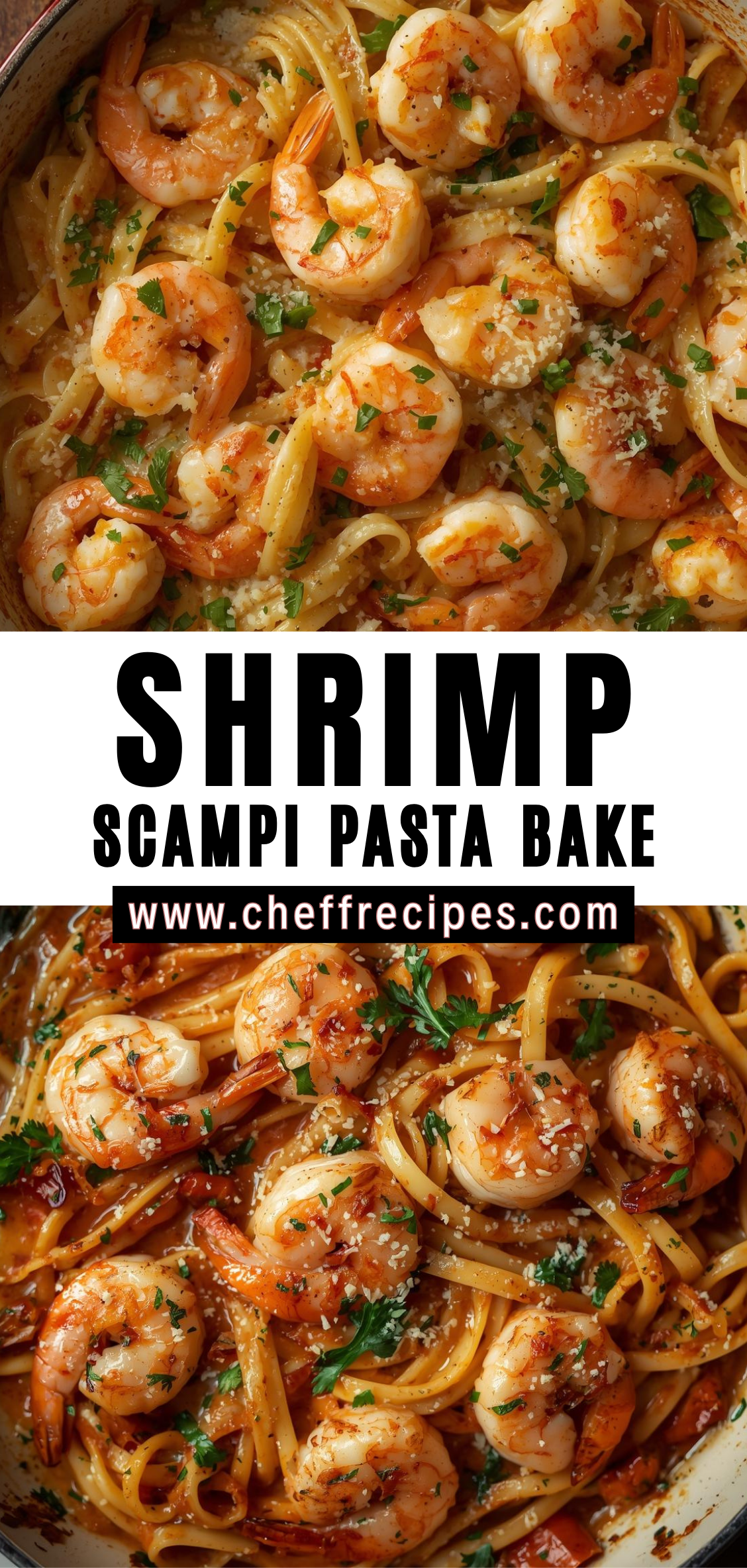
Few dishes strike the perfect balance between elegance and familiarity the way a Shrimp Scampi Pasta Bake does. It is at once a celebration of classic Italian-American flavors and a comforting homage to the kind of oven-baked meals that bring families to the table without hesitation. Shrimp scampi, known for its bright combination of butter, garlic, white wine, and lemon, has long been a staple of restaurant menus and home kitchens alike. By transforming this beloved dish into a pasta bake, the recipe brings warmth, heartiness, and an irresistible golden crust to an already cherished flavor profile. With its bubbling layers of tender shrimp, al dente pasta, melted cheese, and fragrant scampi sauce, this dish embodies the kind of cooking that feels both luxurious and accessible.
The roots of shrimp scampi stretch back further than many people realize. Traditionally, in Italian cuisine, scampi refers to a type of shellfish—specifically a small lobster known as the langoustine. Italian immigrants arriving in the United States adapted the dish using local ingredients, particularly shrimp, which were more readily available and affordable. Over time, “shrimp scampi” became synonymous not with the shellfish itself, but with the style of preparation: a garlic-butter sauce often enriched with wine, herbs, and a splash of lemon. This adaptation stands as a testament to the creativity of immigrant cooks who preserved the spirit of their culinary heritage while embracing the ingredients of their new home.
The transformation from shrimp scampi to a pasta bake represents the next evolution of the dish. Casseroles and baked pasta meals became deeply rooted in American home cooking throughout the twentieth century, cherished for their practicality and comforting appeal. Families embraced recipes they could prepare ahead of time, assemble in one dish, and bake until the kitchen filled with aromas signaling that dinner was ready. The Shrimp Scampi Pasta Bake draws from that tradition while preserving the sophistication of the original scampi sauce. The result is a dish that feels contemporary yet nostalgic—a marriage of convenience and elegance.
One of the reasons this recipe resonates with so many cooks is its balance of flavors and textures. Shrimp has a naturally sweet, delicate flavor that pairs beautifully with the brightness of lemon and the savory depth of garlic and butter. When combined with pasta, the dish gains body, structure, and an inviting richness. The addition of cheese—a deviation from classic scampi but a welcome one in a baked pasta context—creates a layer of creaminess and subtle tang that ties the entire dish together. Topped with breadcrumbs or grated Parmesan, the final bake produces a golden crust that offers a satisfying contrast to the tender noodles and succulent shrimp underneath.
Beyond flavor, the Shrimp Scampi Pasta Bake embodies versatility. It is a dish equally suitable for busy weeknights and celebratory occasions. For weeknights, it offers the convenience of a make-ahead casserole, allowing you to prepare the components earlier in the day and simply bake before serving. For gatherings, it becomes a centerpiece—a dish that feels special, yet not so fussy that it interrupts the flow of hosting. Shrimp has an inherent elegance that elevates the meal, while the pasta bake format ensures that it remains approachable and satisfying for a wide range of palates.
This recipe also welcomes variation. Some cooks prefer a lighter version, with minimal cheese and a focus on the brightness of herbs and citrus. Others lean into richness, adding cream or a blend of cheeses for a more indulgent texture. Still others prefer a spicy rendition, introducing red pepper flakes or chili-infused olive oil. The flexibility of shrimp scampi as a base means that the pasta bake can be refined, rustic, light, bold, or hearty, depending on personal preference. Even the choice of pasta—linguine, penne, rotini, ziti—can subtly change the character of the dish, influencing how the sauce clings and how each bite feels.
At its core, however, the Shrimp Scampi Pasta Bake is about comfort. It carries the warmth of a homemade casserole, the brightness of Mediterranean flavors, and the satisfaction of a dish that feels complete on its own. When pulled from the oven, bubbling at the edges, golden on top, and fragrant in a way only garlic and butter can achieve, it invites the kind of pause that cooking should inspire—a moment to appreciate the alchemy of simple ingredients transformed by heat and time.
In this long-form recipe guide, we will explore the dish in depth, from ingredient selection to cooking techniques that ensure the shrimp stay tender and the pasta perfectly sauced. We will examine the nuances of preparing scampi sauce, discuss pasta choices, compare cheeses, and highlight variations suited for different dietary preferences or flavor profiles. You will also find tips for avoiding common mistakes—such as overcooking the shrimp or producing a watery bake—as well as guidance for storage, reheating, and preparing the dish in advance.
By the end of the guide, the Shrimp Scampi Pasta Bake will be more than a recipe—it will be a blueprint for a dish you can adapt, revisit, and make your own. Whether you prepare it for a quiet evening at home or a gathering of friends and family, it promises a meal that is comforting, refined, and deeply satisfying.
Step-by-Step Instructions (Extremely Detailed)
1. Preparing the Pasta
The pasta forms the structural backbone of the entire bake. Getting this step right ensures the final dish holds its shape, absorbs the scampi sauce properly, and bakes without becoming mushy.
1.1. Choose the Pasta Shape
Select a pasta shape that catches sauce well and offers stability in the oven. Penne, rotini, farfalle, ziti, and rigatoni are ideal. Long noodles such as linguine or fettuccine can also be used but require more attentive mixing to prevent sticking.
1.2. Boil the Pasta
Fill a large pot with generously salted water—salted to the point it tastes like mild seawater. Bring it to a rapid boil. Add the pasta and cook it until just under al dente (usually 1–2 minutes less than the package instructions). The pasta will finish cooking in the oven, so pulling it early prevents over-softening.
1.3. Drain and Cool the Pasta
Once cooked, drain the pasta thoroughly. Do not rinse unless the pasta is extremely starchy; rinsing removes surface starch that helps sauces cling, but a light rinse may be useful if you’re using long noodles. Spread the pasta lightly on a baking sheet or leave it in the colander and drizzle with a teaspoon of olive oil to prevent sticking while you prepare the scampi sauce.
2. Preparing the Shrimp
The shrimp are the star protein of this bake, and careful preparation ensures they remain tender and flavorful.
2.1. Select the Shrimp
Use raw shrimp that are peeled and deveined. Medium or large shrimp work best; smaller shrimp may disappear into the pasta, while extra-large shrimp may overwhelm the texture balance.
2.2. Pat the Shrimp Dry
Use paper towels to remove excess moisture. Dry shrimp sear better and release less water into the sauté pan.
2.3. Season the Shrimp Lightly
Sprinkle the shrimp with a small amount of salt and pepper. Over-seasoning at this stage can cause the shrimp to firm up too much during cooking.
2.4. Sear the Shrimp Briefly
Heat a large skillet over medium-high heat and add a small film of olive oil. When the oil shimmers, sauté the shrimp for only 1–2 minutes per side. They should turn opaque but not fully cooked through; they will finish in the oven. Remove them promptly from the pan to prevent carryover cooking.
3. Building the Scampi Sauce
The sauce is the soul of the dish—a rich blend of butter, garlic, lemon, and white wine that ties the pasta and shrimp together.
3.1. Sauté the Aromatics
In the same skillet used for the shrimp, reduce the heat to medium. Add butter (usually several tablespoons), allowing it to melt gently. Add minced garlic and sauté until fragrant—no more than 30–45 seconds. Garlic burns quickly, so monitor closely.
3.2. Deglaze with White Wine
Pour in a splash of white wine, scraping the bottom of the pan to release the browned bits left from cooking the shrimp. These bits add deep, savory flavor. Let the wine simmer until reduced by about a third, concentrating its taste and cooking off the alcohol.
3.3. Add Lemon Juice and Zest
Squeeze fresh lemon juice into the mixture. For a more fragrant citrus profile, add lemon zest as well. This combination creates the signature brightness of scampi.
3.4. Enrich with Additional Butter or Cream (Optional)
At this stage, a small amount of heavy cream or additional butter can be added to create a velvety texture suited for a pasta bake. Traditional scampi uses no cream, but a baked version benefits from increased body.
3.5. Season Thoughtfully
Add salt, pepper, crushed red pepper flakes (optional), and fresh herbs such as parsley. Let the sauce simmer briefly—just enough for the flavors to meld—then remove from heat.
4. Combining the Pasta and Sauce
This step ensures that every piece of pasta is coated with scampi sauce before baking.
4.1. Transfer Pasta to a Large Bowl
Place the cooled, lightly oiled pasta into a large mixing bowl. A spacious bowl allows for even distribution of sauce without breaking the noodles.
4.2. Pour the Hot Scampi Sauce Over the Pasta
Pour the sauce slowly, stirring gently with a wooden spoon or spatula to prevent tearing the pasta. The pasta should appear glossy and well-coated but not soupy.
4.3. Taste and Adjust Seasoning
Before adding the shrimp or cheese, taste the pasta mixture. Adjust lemon, salt, pepper, or herbs as needed. Once the dish is assembled, adjusting flavor becomes more difficult, so this is the best moment to refine the seasoning.
5. Adding the Shrimp
The shrimp must be incorporated in a way that keeps them tender during baking.
5.1. Fold the Shrimp Into the Pasta
Add the partially cooked shrimp to the pasta gently so the shrimp remain intact. Fold using slow, sweeping motions to prevent breaking them apart.
5.2. Reserve a Few Shrimp for the Top (Optional)
For presentation, set aside several shrimp to arrange on top of the casserole before baking.
6. Preparing the Cheese Layer
Though cheese is not part of classic scampi, it enhances the structure and appeal of a baked pasta dish.
6.1. Choose the Cheese
A blend of mozzarella and Parmesan is ideal. Mozzarella delivers stretch and creaminess, while Parmesan contributes sharpness and umami. Some cooks add a small amount of fontina or provolone for additional richness.
6.2. Combine Cheese with the Pasta (Optional Step)
Some versions mix a portion of the cheese directly into the pasta so it melts throughout. Others reserve all cheese for the top. Mixing half into the pasta and sprinkling the rest on top is the most balanced approach.
7. Assembling the Pasta Bake
Now the components come together in the baking dish.
7.1. Prepare the Baking Dish
Grease a large casserole dish or baking pan with butter or olive oil. This prevents sticking andhelps create a golden crust on the edges.
7.2. Transfer the Pasta Mixture
Spoon the pasta and shrimp mixture into the dish, spreading it evenly. Make sure shrimp are distributed throughout to avoid pockets with too much or too little protein.
7.3. Add the Cheese Topping
Sprinkle the remaining mozzarella and Parmesan evenly across the top. Ensure good coverage so the final crust browns uniformly.
7.4. Add Breadcrumbs (Optional)
If you prefer a crisp top layer, mix breadcrumbs with melted butter and a bit of Parmesan, then scatter over the cheese. Breadcrumbs add a textural contrast and visual appeal.
7.5. Arrange Reserved Shrimp on Top
Place the saved shrimp on the surface so they bake visibly into the crust, enhancing presentation.
8. Baking the Dish
This stage brings all the flavors together and creates the signature golden crust.
8.1. Preheat the Oven
Set the oven to 375°F (190°C). This temperature browns the top without overcooking the shrimp.
8.2. Bake Until Golden and Bubbling
Place the casserole in the center of the oven and bake for 20–25 minutes. The edges should bubble, and the top should turn light golden brown. Avoid overbaking, as shrimp can become rubbery.
8.3. Optional Broil Step
If you prefer a deeper golden crust, broil the dish for 1–2 minutes at the end. Watch closely to avoid burning.
9. Resting the Dish
Rest time is crucial for achieving proper texture.
9.1. Let the Pasta Bake Rest for 5–10 Minutes
Allow the casserole to settle before serving. Resting helps the sauce thicken, makes slicing easier, and prevents excess liquid from pooling.
10. Serving the Shrimp Scampi Pasta Bake
Presentation and finishing touches elevate the final meal.
10.1. Add Fresh Herbs
Sprinkle chopped parsley, basil, or chives on top. Herbs add color and brightness.
10.2. Add Lemon Accents
Serve with lemon wedges or add a small amount of fresh zest over the surface to refresh the citrus notes.
10.3. Plate Generously
Use a large serving spoon to lift sections, ensuring each portion contains pasta, shrimp, and melted cheese.
10.4. Optional Enhancements
Serve with garlic bread, a green salad, roasted vegetables, or a crisp white wine to complete the experience.
Shrimp Scampi Pasta Bake
Few dishes strike the perfect balance between elegance and familiarity the way a Shrimp Scampi Pasta Bake does. It is at once a celebration of classic Italian-American flavors and a comforting homage to the kind of oven-baked meals that bring families to the table without hesitation. Shrimp scampi, known for its bright combination of butter, garlic, white wine, and lemon, has long been a staple of restaurant menus and home kitchens alike. By transforming this beloved dish into a pasta bake, the recipe brings warmth, heartiness, and an irresistible golden crust to an already cherished flavor profile. With its bubbling layers of tender shrimp, al dente pasta, melted cheese, and fragrant scampi sauce, this dish embodies the kind of cooking that feels both luxurious and accessible.
Ingredients
- 12 oz pasta (penne, linguine, or fettuccine)
- 1 lb large shrimp, peeled and deveined
- 3 tablespoons butter
- 3 tablespoons olive oil
- 4 cloves garlic, minced
- ½ teaspoon crushed red pepper flakes (optional)
- ½ cup dry white wine (or chicken broth)
- 1 tablespoon lemon zest
- 3 tablespoons lemon juice
- ½ cup grated Parmesan cheese
- 1 cup shredded mozzarella cheese
- ¼ cup chopped parsley
- Salt and black pepper, to taste
- Optional: ½ cup panko breadcrumbs mixed with 1 tablespoon melted butter for a crispy topping
Instructions
1. Cook the Pasta
- Bring a large pot of salted water to a boil.
- Add the pasta and cook until al dente, according to package directions.
- Drain and set aside.
2. Prepare the Shrimp
- Season shrimp lightly with salt and pepper.
- In a large skillet, heat olive oil and 1 tablespoon of butter over medium heat.
- Add the shrimp and cook 1–2 minutes per side until pink.
- Remove shrimp from the skillet and set aside.
3. Make the Scampi Sauce
- In the same skillet, add the remaining butter.
- Add garlic and red pepper flakes and sauté for 1 minute.
- Pour in the white wine and simmer for 2–3 minutes.
- Stir in lemon zest, lemon juice, and half of the parsley.
- Season with salt and pepper to taste.
4. Combine Pasta, Shrimp, and Sauce
- Add the cooked pasta to the skillet and toss to coat in the sauce.
- Return the shrimp to the skillet and gently stir to combine.
5. Assemble the Bake
- Transfer the mixture to a greased 9×13 baking dish.
- Sprinkle Parmesan evenly over the pasta.
- Top with mozzarella cheese.
- (Optional) Add the buttered panko breadcrumb topping.
6. Bake
- Bake in a preheated oven at 400°F (200°C) for 12–15 minutes, or until cheese is melted and bubbly.
- Broil for 1–2 minutes for extra browning if desired.
7. Serve
- Remove from oven and garnish with the remaining parsley.
- Serve hot with lemon wedges.
Notes
- Shrimp substitute: You can use scallops or crab meat.
- No wine: Replace white wine with the same amount of chicken broth plus a splash of extra lemon juice.
- Creamier version: Add ¼–½ cup heavy cream to the sauce before mixing with the pasta.
- Make ahead: Assemble the dish earlier in the day; bake when ready to serve.