Butter Chicken, also known as Murgh Makhani, is one of the most beloved dishes to emerge from Indian cuisine. Its origins trace back to the bustling city of Delhi in the mid-20th century, where a group of inventive chefs at Moti Mahal restaurant accidentally created the dish while experimenting with leftover tandoori chicken. They simmered the roasted chicken pieces in a rich tomato gravy, enriched it with butter and cream, and unknowingly crafted one of the most recognizable and replicated curries across the globe.
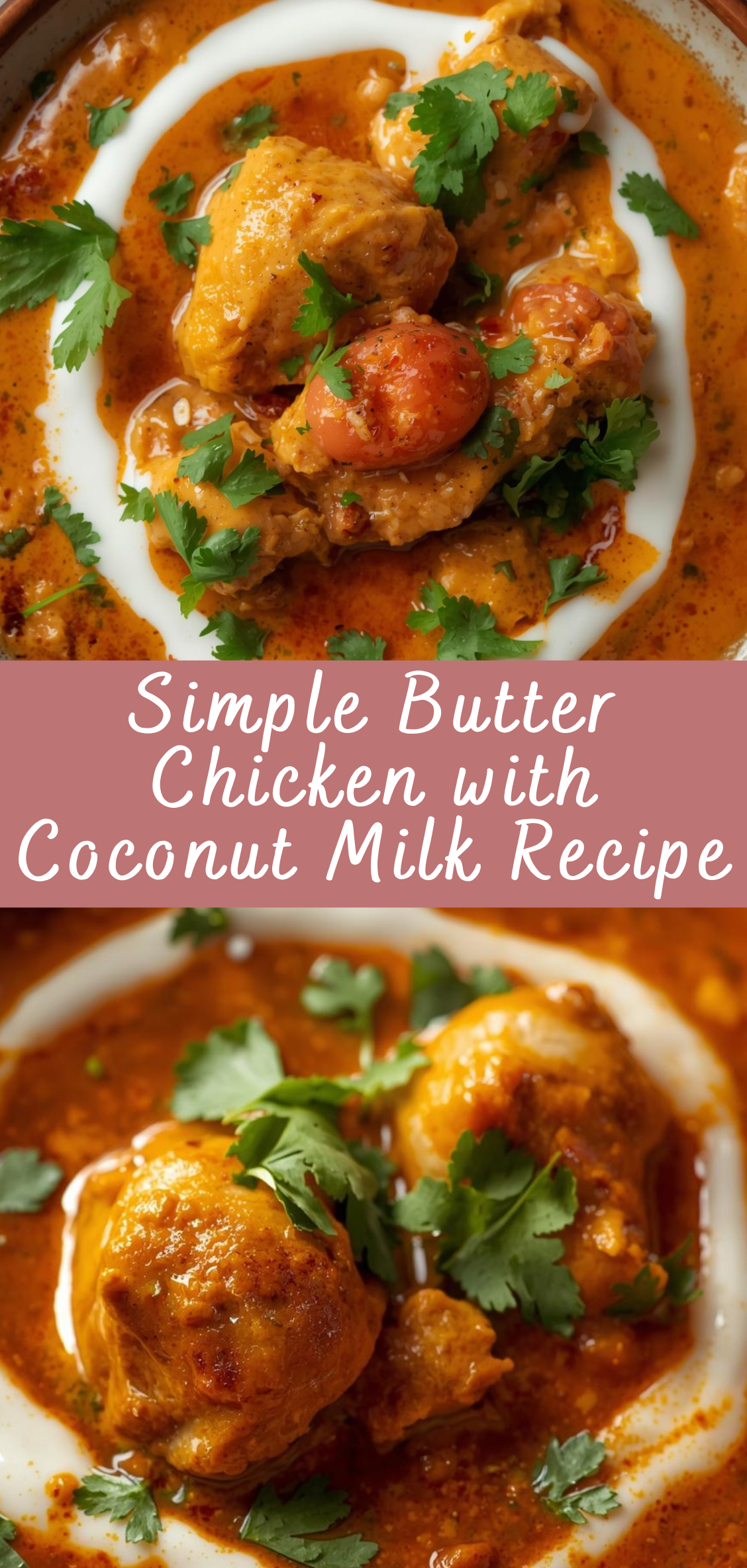
The dish is characterized by its smooth, velvety texture, deep golden color, and mild, aromatic spices that balance heat, sweetness, and tang. Over time, Butter Chicken has become a symbol of comfort food, served not only in traditional Indian households but also in restaurants and kitchens worldwide. Its universal appeal lies in its perfect blend of flavor, richness, and simplicity—making it approachable for both novice cooks and experienced chefs alike.
This version of Butter Chicken introduces a subtle yet transformative twist: the use of coconut milk instead of heavy cream. While the traditional recipe relies on dairy cream to achieve its creamy texture, coconut milk offers a lighter, dairy-free alternative that maintains the luscious consistency of the sauce while introducing a gentle, tropical note. It provides the same richness but with a delicate sweetness that pairs beautifully with the tang of tomatoes and the warmth of Indian spices. For individuals who are lactose-intolerant, vegan-leaning, or simply seeking a fresh take on a classic favorite, this adaptation is both wholesome and satisfying.
Using coconut milk not only alters the flavor profile but also enhances the nutritional value of the dish. Coconut milk is rich in healthy fats known as medium-chain triglycerides (MCTs), which are easily metabolized by the body and provide sustained energy. It is also a natural source of vitamins C, E, B1, B3, B5, and B6, along with essential minerals such as iron, calcium, and magnesium. This substitution brings balance to the indulgence of Butter Chicken, making it slightly lighter on the palate while maintaining its luxurious mouthfeel.
Beyond its nutritional advantages, the use of coconut milk connects the dish to a broader range of culinary traditions. In southern India, coconut milk is a staple ingredient in curries and stews, lending body and depth to gravies without overpowering the spices. By integrating this southern influence into a traditionally northern dish, this recipe embodies the spirit of culinary fusion—bringing together the best of India’s regional flavors into a single harmonious preparation.
The beauty of Butter Chicken lies in its adaptability. Every home cook and chef has their version, shaped by personal taste, availability of ingredients, and dietary preferences. Some prefer it fiery, with a robust hit of chili; others like it mild and sweet, with a focus on creamy texture and gentle spice. The coconut milk variation sits comfortably between the two extremes, providing balance and nuance. It allows the natural flavor of the chicken to shine while complementing it with layers of spice and smoothness.
What makes this recipe particularly approachable is its simplicity. Traditional Butter Chicken often involves marinating, grilling, and simmering steps that can seem daunting to beginners. In this simplified version, the process is streamlined without compromising flavor. The ingredients are easy to find in most supermarkets, and the preparation requires minimal specialized equipment. Whether you’re cooking for family, hosting a dinner with friends, or experimenting with Indian cuisine for the first time, this recipe promises delicious results with straightforward steps.
Butter Chicken with Coconut Milk also holds cultural significance beyond its taste. Food, at its core, is about connection—between people, places, and memories. In Indian households, curries like Butter Chicken often take center stage during gatherings and celebrations. The aroma of spices roasting in butter, the slow simmer of the sauce, and the final garnish of fresh coriander create an atmosphere of warmth and hospitality. Recreating such a dish at home, especially with a unique twist, allows cooks everywhere to experience and share in this culinary heritage.
This recipe pays homage to the original while embracing change. It invites creativity and flexibility, encouraging you to adjust spices, textures, and accompaniments according to your preferences. You can pair it with fragrant basmati rice, soft naan bread, or even a simple quinoa pilaf. The flavors are versatile enough to stand alone or complement other Indian-inspired dishes.
As you prepare to make this dish, remember that great cooking is less about strict adherence to rules and more about understanding balance—how sweetness, acidity, and spice work together. The combination of tomatoes and coconut milk, of butter and spices, creates a sauce that is both comforting and vibrant. It’s a celebration of contrast: the creaminess that soothes, the spice that excites, and the aroma that invites.
In the sections that follow, we will walk through each component of this recipe in detail: from selecting the right cuts of chicken and preparing the marinade to simmering the sauce to perfection. Along the way, you will learn how to build flavor layers, how to balance the creaminess of coconut milk with the tang of tomatoes, and how to achieve that restaurant-style finish at home.
Butter Chicken with Coconut Milk is not just a meal—it’s an experience of flavor, culture, and comfort brought together in one pot. It offers a glimpse into the evolution of Indian cuisine and demonstrates how tradition can gracefully merge with innovation. Whether you are new to Indian cooking or an experienced enthusiast, this recipe will guide you toward creating a dish that is both timeless and refreshing in its simplicity.
Ingredients and Equipment
1. Core Ingredients
For the Chicken Marinade:
-
500 grams (about 1 lb) boneless chicken thighs or breasts, cut into medium-sized chunks
Thigh meat is preferred because it stays tender and juicy during simmering. Chicken breast works too but may require a slightly shorter cooking time. -
2 tablespoons plain yogurt (curd)
This tenderizes the chicken and adds tang. If you are dairy-free, you can substitute with coconut yogurt. -
1 tablespoon lemon juice
Adds acidity that helps break down the chicken fibers and enhances flavor. -
1 tablespoon ginger-garlic paste
A blend of equal parts fresh ginger and garlic. This is a foundational element in Indian cuisine and provides warmth and aroma. -
1 teaspoon ground cumin
-
1 teaspoon ground coriander
-
1 teaspoon garam masala
-
1 teaspoon red chili powder (adjust to taste)
-
½ teaspoon turmeric powder
This combination of spices builds the core flavor base and gives the chicken its signature orange-golden color. -
½ teaspoon salt
-
1 tablespoon vegetable oil or melted butter
For the Sauce:
-
2 tablespoons butter
Traditionally, this is what gives “Butter Chicken” its name. You can use ghee for deeper flavor or oil for a dairy-free version. -
1 tablespoon vegetable oil
Helps prevent the butter from burning during the initial sautéing stage. -
1 large onion, finely chopped
Provides sweetness and depth to the sauce. -
3 medium tomatoes, pureed (or 1 cup canned crushed tomatoes)
Tomatoes form the acidic base that balances the richness of butter and coconut milk. -
1 tablespoon ginger-garlic paste
Used again to deepen the flavor of the sauce. -
1 teaspoon red chili powder
-
1 teaspoon paprika
Paprika adds a rich color without too much heat. -
1 teaspoon ground cumin
-
1 teaspoon garam masala
-
½ teaspoon ground coriander
-
1 teaspoon sugar (optional)
Balances the acidity of tomatoes, especially if using canned ones. -
1 cup coconut milk (full-fat preferred)
This replaces heavy cream and gives a smooth, slightly sweet finish. -
½ cup water or chicken stock
Adjust to reach your desired sauce consistency. -
Salt to taste
-
Fresh coriander (cilantro) leaves, chopped, for garnish
-
Additional butter (optional), for drizzling before serving
2. Optional Ingredients (for extra flavor)
-
1 bay leaf
Adds subtle fragrance during simmering. -
2–3 green cardamom pods
Traditional in North Indian versions for a delicate aroma. -
1 small cinnamon stick
Balances sweetness and spice beautifully when added at the beginning of the sauce stage.
3. Equipment
-
Mixing bowl (for marinating the chicken)
-
Large heavy-bottomed pan or skillet (non-stick or cast iron preferred)
-
Wooden spoon or spatula
-
Blender or immersion blender (optional, to puree the sauce for extra smoothness)
-
Measuring spoons and cups
-
Cutting board and sharp knife
-
Small bowl for spice mixing
-
Serving dish
Step-by-Step Instructions
Step 1: Preparing the Marinade
-
In a large mixing bowl, combine yogurt, lemon juice, ginger-garlic paste, cumin, coriander, garam masala, chili powder, turmeric, salt, and oil.
-
Mix well until you form a smooth paste.
-
Add the chicken pieces and coat them thoroughly with the marinade. Every piece should be evenly covered.
-
Cover the bowl with plastic wrap or a lid and refrigerate for at least 30 minutes, ideally 2 to 4 hours for deeper flavor.
If you have more time, overnight marination will yield the most tender, flavorful chicken.
Tip: Marinating helps tenderize the chicken and allows the spices to infuse fully. If using chicken breast, avoid marinating for longer than 6 hours as the acidity can start to break down the texture too much.
Step 2: Cooking the Chicken
-
Heat 1 tablespoon of oil in a large skillet or pan over medium-high heat.
-
Add the marinated chicken pieces in batches (avoid overcrowding the pan).
-
Cook for 3–4 minutes per side until lightly browned but not fully cooked through. The goal here is to seal in flavor and get slight caramelization.
-
Remove the chicken from the pan and set aside. It will finish cooking later in the sauce.
Tip: Traditional Butter Chicken uses tandoor-grilled chicken, which gives a smoky flavor. You can recreate this by lightly charring the chicken on a stovetop grill pan or under the broiler for a few minutes.
Step 3: Building the Sauce Base
-
In the same pan, add 2 tablespoons of butter and 1 tablespoon of oil.
-
Once the butter melts, add chopped onions.
-
Sauté on medium heat until golden brown, about 8–10 minutes. Stir occasionally to prevent burning.
This step is essential for developing a deep, caramelized sweetness in the sauce. -
Add the ginger-garlic paste and cook for another 1–2 minutes, stirring constantly until fragrant.
-
Add the dry spices: chili powder, paprika, cumin, coriander, and garam masala. Stir for about 30 seconds to release their aroma.
Tip: Always cook spices in fat briefly before adding liquid. This helps “bloom” the flavors and prevents a raw spice taste.
Step 4: Adding Tomatoes and Simmering
-
Pour in the pureed tomatoes and mix well.
-
Season with a pinch of salt and sugar (if using).
-
Simmer the mixture for 10–12 minutes on medium heat until the sauce thickens and the oil begins to separate from the sides. This indicates that the raw acidity of the tomatoes has cooked off.
-
(Optional) For a smoother sauce, blend this mixture using an immersion blender or transfer to a countertop blender, then return it to the pan.
Step 5: Incorporating the Chicken
-
Add the browned chicken pieces to the sauce. Stir to coat them thoroughly.
-
Pour in ½ cup of water or chicken stock to loosen the sauce.
-
Cover the pan and let it simmer on low heat for 10–15 minutes, or until the chicken is cooked through and tender.
-
Stir occasionally and check for consistency. Add more water if the sauce becomes too thick.
Step 6: Finishing with Coconut Milk
-
Once the chicken is fully cooked, reduce the heat to low.
-
Slowly pour in 1 cup of coconut milk, stirring continuously.
Avoid boiling after adding coconut milk, as high heat can cause it to separate. -
Simmer gently for 5–7 minutes until the sauce becomes creamy and rich.
-
Taste and adjust seasoning — add salt, a pinch of sugar, or extra chili to balance the flavors.
Step 7: Final Touches
-
Stir in 1 tablespoon of butter at the end for a glossy finish.
-
Sprinkle freshly chopped coriander leaves over the top.
-
Turn off the heat and let the curry rest for 5 minutes before serving to allow the flavors to meld.
Step 8: Serving Suggestions
Serve hot with any of the following accompaniments:
-
Steamed basmati rice — a classic pairing that soaks up the rich sauce beautifully.
-
Garlic naan or butter naan — ideal for scooping up the creamy curry.
-
Jeera rice (cumin rice) — adds a subtle nutty aroma.
-
Brown rice or quinoa — for a healthier alternative.
Optional Garnishes:
-
A swirl of coconut milk or cream on top for presentation.
-
Toasted cashews for extra richness.
-
A squeeze of lime to brighten the flavors.
Simple Butter Chicken with Coconut Milk Recipe
Butter Chicken, also known as Murgh Makhani, is one of the most beloved dishes to emerge from Indian cuisine. Its origins trace back to the bustling city of Delhi in the mid-20th century, where a group of inventive chefs at Moti Mahal restaurant accidentally created the dish while experimenting with leftover tandoori chicken. They simmered the roasted chicken pieces in a rich tomato gravy, enriched it with butter and cream, and unknowingly crafted one of the most recognizable and replicated curries across the globe.
Ingredients
- For the Chicken Marinade:
- 1 lb (450 g) boneless, skinless chicken breast or thighs, cut into bite-sized pieces
- 1/2 cup plain yogurt (optional, or substitute with 2 tbsp coconut milk)
- 1 tsp garam masala
- 1 tsp ground cumin
- 1 tsp paprika
- 1/2 tsp turmeric
- 1/2 tsp salt
- 1 tbsp lemon juice
- For the Sauce:
- 2 tbsp butter (or ghee)
- 1 tbsp oil (to prevent butter from burning)
- 1 medium onion, finely chopped
- 3 cloves garlic, minced
- 1 tbsp fresh ginger, grated
- 2 tsp garam masala
- 1 tsp ground cumin
- 1 tsp paprika
- 1/2 tsp chili powder (adjust to taste)
- 1 (15 oz / 400 ml) can tomato sauce or crushed tomatoes
- 1 cup (240 ml) coconut milk (full fat for creaminess)
- 1 tbsp tomato paste (optional, for richness)
- Salt to taste
- Fresh cilantro, chopped (for garnish)
Instructions
- Marinate the Chicken: In a bowl, combine chicken with yogurt (or coconut milk), lemon juice, and spices. Let it marinate for at least 15–30 minutes (or overnight for deeper flavor).
- Cook the Chicken: Heat 1 tbsp oil in a large skillet over medium-high heat. Add marinated chicken and cook until lightly browned and almost cooked through, about 5–7 minutes. Remove chicken and set aside.
- Make the Sauce: In the same skillet, melt butter. Add onions and sauté until soft and golden, about 5 minutes. Stir in garlic, ginger, garam masala, cumin, paprika, and chili powder; cook 30 seconds until fragrant.
- Add Tomato Base: Pour in tomato sauce and tomato paste. Simmer 5–10 minutes, stirring occasionally, until thickened slightly.
- Finish with Coconut Milk: Stir in coconut milk and bring to a gentle simmer. Add the cooked chicken back into the pan and simmer another 10 minutes, or until chicken is tender and sauce is creamy.
- Taste and Adjust: Add salt to taste, and if desired, a pinch of sugar to balance acidity.
- Serve: Garnish with chopped cilantro and serve hot with basmati rice or naan.
Notes
- For extra richness, you can add 1 tbsp cashew butter or cream at the end.
- Adjust spice level by reducing or increasing chili powder.
- Chicken thighs stay juicier than breast meat.